

If you have come across the word “Bodenxt” and wondered what it actually means, you are not alone. It is not a company, a product, or a piece of software. This is the name given to a large planning program run by the Municipality of Boden in northern Sweden, built to manage one of the fastest social and industrial changes the region has ever seen.
This guide breaks down what the program is, why it exists, who is behind it, and what it means for workers, businesses, and investors watching this part of Sweden. By the end, you will understand the full picture, not just the headline.
What Is Bodenxt, Exactly?
Bodenxt is Boden Municipality’s coordination platform for handling rapid growth caused by new green industry moving into the area. Think of it less as a single project and more as a control center that connects housing, jobs, schools, roads, water systems, and business support so the town can grow without falling behind on basic services.
The municipality describes the goal in a simple way: fit 20 years of normal development into just a few years. That kind of pace does not happen on its own. Roads need to be widened before traffic grows. Schools need staff before families arrive. Housing needs to be built before workers show up looking for a place to live. The program exists to keep these things lined up in the right order.
A common mistake people make is assuming this is the industrial project itself. It is not. The industrial project has its own name, Stegra, and Bodenxt is the municipal response built around it.
Why Bodenxt Was Created
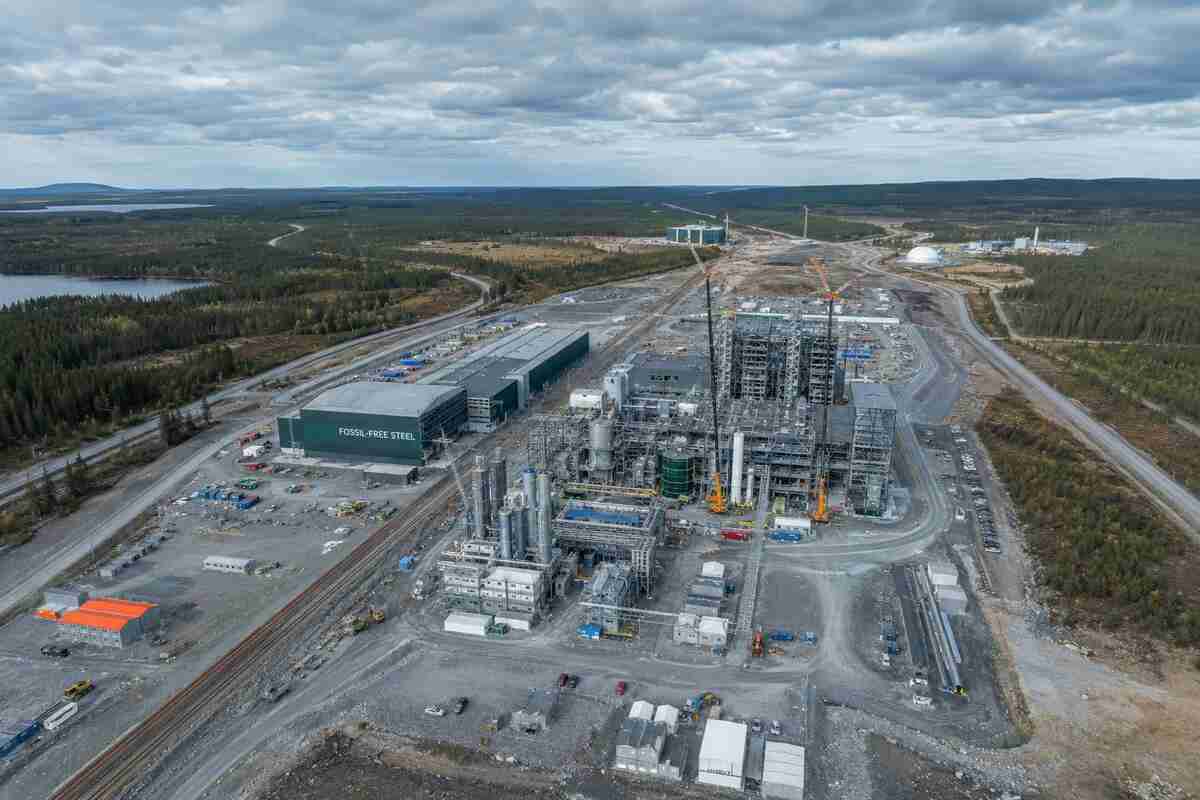
The short answer is Stegra, a company building the world’s first full-scale green steel plant at Boden Industrial Park. Steel production is responsible for a large share of Europe’s industrial carbon emissions, and Stegra’s plant is designed to cut those emissions by around 95 percent compared with traditional blast-furnace methods, using green hydrogen instead of coal.
A project of that size does not stay contained inside a factory fence. It pulls in thousands of workers, contractors, suppliers, and families. Without planning, that kind of sudden demand overwhelms housing markets, school capacity, and local infrastructure fast. Boden’s local government created this program specifically to get ahead of that pressure rather than react to it after problems appear.
Northern Sweden as a whole is seeing a wave of green industrial investment, with figures often cited around 1,400 billion SEK planned across the region over the coming years. Boden is one of the towns sitting closest to the center of that shift, which is why its municipality needed a dedicated framework rather than handling growth through normal department-by-department planning.
The Five Sub-Projects Inside the Program
Bodenxt is organized around five connected work streams. Each one covers a piece of what a growing town actually needs, and they are designed to move together rather than in isolation.
Skills Supply
This part focuses on making sure the local workforce has the training needed for new industrial and technical jobs. It involves partnerships between local education providers, vocational training centers, and employers, so people already living in the region are not left out of the new job market.
Living and Housing
New workers need somewhere to live, and this sub-project covers new housing development, planning permits, and neighborhood design. If you are researching relocation to Boden for work, this is the part that most directly affects you, since it determines how fast new housing stock actually reaches the market.
Business Development
Local suppliers, contractors, and service businesses need support to scale up and work with larger industrial clients. This sub-project connects smaller regional companies with opportunities created by Stegra and other new employers moving into the area.
Infrastructure Above Ground
Roads, public transport, schools, and community buildings fall under this heading. It also includes the new rail connection linking Boden Industrial Park to Sweden’s main rail network, expected to open in early 2026.
Infrastructure Below Ground
Water supply, wastewater treatment, and utility networks sit here. This is the least visible part of the program but arguably the most important, since an industrial site of this scale needs serious capacity in water and power delivery before any factory can run at full output.
Boden Industrial Park: The Physical Center of It All
Boden Industrial Park is the 550-hectare site where most of this activity is happening. To put that size in perspective, it is larger than the central Stockholm island of Kungsholmen and roughly equal to more than 1,000 football fields. The park sits close to high-capacity renewable electricity, which is a major reason heavy industry was drawn to this specific location instead of somewhere further south.
Alongside the Stegra steel plant, the park is also positioned to host what is described as Europe’s largest hydrogen production facility. Green hydrogen made here is meant to feed the steelmaking process directly, cutting out the need to transport hydrogen long distances, which lowers both cost and emissions.
If you are checking whether Boden Industrial Park is worth watching as a business location, the practical detail to look at is not just the headline investment figures. Look at rail completion dates, grid connection capacity, and how many of the five sub-projects are actually on schedule. Announcements move faster than construction, and the gap between the two tells you more than any press release.
How Bodenxt Connects to Stegra
People searching for Bodenxt often start out looking for information about green steel, and that connection is worth explaining clearly. Stegra is the company and the factory. Bodenxt is the municipal system built around it.
Stegra’s plant is expected to reach an annual production capacity of around 5 million tonnes of green steel and employ close to 2,000 people once fully operational, with a target around 2030. That single employer alone changes the math for a town the size of Boden, which is why municipal planning needed its own dedicated program rather than a side note in a general city plan.
The relationship works both ways. Stegra needs a functioning community to keep its workforce, and the program needs an anchor investment like Stegra to justify the scale of infrastructure spending involved. Neither side works well without the other, and understanding that link is the key to understanding why this whole system exists at all.
Who Should Care About This Program
Job Seekers and Skilled Workers
If you work in engineering, construction, logistics, or industrial trades, Boden is worth researching as a relocation option. The skills supply sub-project is specifically built to connect local training with new job openings, and wages in a fast-growing industrial hub often track above regional averages during the build-out phase.
Contractors and Suppliers
Companies in construction, engineering services, and industrial supply chains have a real opportunity here through the business development sub-project. Before committing resources, check current procurement notices through Boden Municipality and Stegra directly rather than relying on general news coverage, since tender timelines shift often during a project this size.
Investors and Analysts
Bodenxt is frequently cited as a case study for how a small municipality manages large-scale green industrial growth. If you are evaluating northern Sweden as an investment region, treat it less as marketing material and more as a planning document. The sub-project structure gives a clear way to track whether housing, infrastructure, and workforce development are keeping pace with industrial investment.
Researchers and Policy Professionals
Urban planners and policy analysts increasingly point to Bodenxt as an example of coordinated municipal response to industrial-scale investment. The five-sub-project structure, and the way departments were reorganized around shared goals instead of separate silos, is the part most often studied by other municipalities facing similar growth.
What to Check Before You Rely on This Information
A few practical points worth knowing if you are making decisions based on what you read about Bodenxt:
- Timelines shift. Large infrastructure projects rarely land exactly on the announced date, and the rail connection, housing completions, and plant ramp-up should all be checked against current municipal updates rather than early projections.
- Housing supply and demand do not always match perfectly during rapid growth phases, even with active planning. If you are relocating for work, confirm actual housing availability directly rather than assuming supply will be ready the moment you arrive.
- The program covers planning and coordination, not guaranteed outcomes. It reduces the risk of a town falling behind its industrial growth, but it does not remove that risk completely.
- The clearest, most current source of information is Boden Municipality’s own website, since third-party summaries can lag behind actual progress on the ground.
The Bigger Picture: Why This Model Matters Beyond Boden
Bodenxt is getting attention outside Sweden because it offers a working example of how a local government can respond to sudden industrial growth without losing control of housing, services, and community planning. Many regions attracting green industry investment face the same challenge: a factory can be built fast, but the town around it cannot always keep up at the same speed.
The five-part structure used here gives other municipalities a practical template rather than an abstract idea. It shows how workforce training, housing, business support, and infrastructure can be planned together instead of separately, which is often where similar projects in other regions run into trouble.
Frequently Asked Questions
Is Bodenxt a company?
No. It is a municipal planning platform run by Boden Municipality, not a private business. It does not sell products or services. Its job is to coordinate housing, infrastructure, skills training, and business support around the region’s industrial growth.
Is Bodenxt the same as Stegra?
No, and this mix-up is common. Stegra is the company building the green steel and hydrogen plant at Boden Industrial Park. Bodenxt is the municipal program built to manage the wider community impact of that investment, including housing and public services.
When will the new rail connection open?
Boden Municipality has pointed to early 2026 for the completion of the new railway link connecting Boden Industrial Park to the national mainline. As with any large infrastructure project, it is worth checking the municipality’s current updates before treating that date as fixed.
How many jobs will this create?
Stegra’s plant alone is projected to employ around 2,000 people once it reaches full operation, with a target around 2030. Additional jobs are expected across construction, logistics, suppliers, and local services connected to the wider sub-projects, though total figures across the full ecosystem are harder to pin down precisely.
Where can I find official updates?
The most reliable source is Boden Municipality’s own website, which publishes news and progress updates directly tied to each of the five sub-projects. Third-party articles are useful for background, but official municipal pages will always carry the most current figures.
Final Thoughts
Bodenxt is Boden Municipality’s answer to a very specific problem: how do you grow a town by 20 years’ worth of development in only a few years without breaking it in the process? By organizing the work into five connected sub-projects and building the plan directly around Stegra’s green steel investment, Boden has created one of the clearer examples of coordinated municipal growth planning currently running in Europe.
If you are considering a move, a business opportunity, or an investment tied to this region, the smartest next step is to check Boden Municipality’s official Bodenxt updates directly and compare current progress against the milestones mentioned here, rather than relying on older summaries that may already be out of date.