

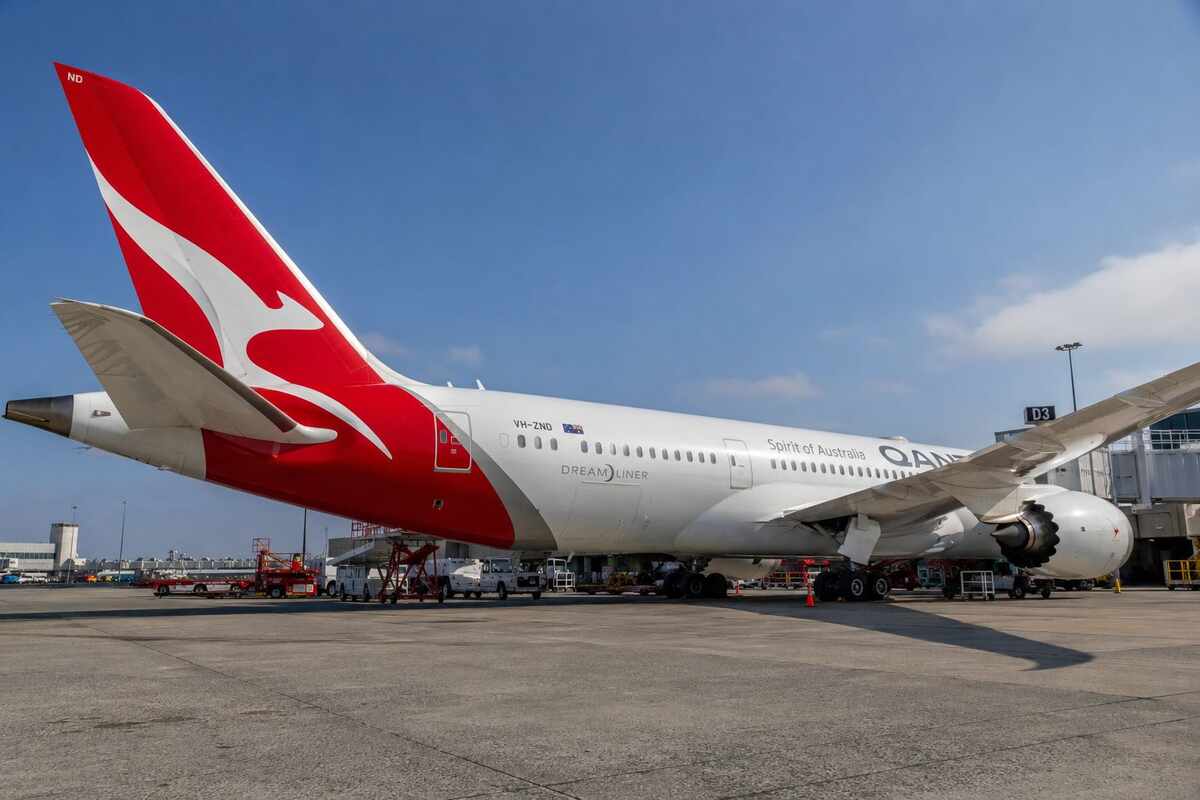
If you’ve got a Qantas booking coming up, you’ve probably wondered what plane you’ll actually be sitting in. Qantas runs one of the most varied fleets of any airline in the world, and the aircraft type changes everything about your trip — legroom, entertainment, noise level, and even how bumpy the ride feels. This guide breaks down every Qantas aircraft in service, what each one is used for, and how to find out which one is booked for your flight.
Why the Aircraft Type Actually Matters to Passengers
Most people book a flight by price and time, not by aircraft type. But the plane you fly on changes your experience more than most people realize. A short hop on a Dash 8 turboprop feels nothing like a long-haul leg on a Boeing 787.
Cabin width, seat pitch, window size, and even air pressure inside the cabin all vary by aircraft. On newer planes like the 787 Dreamliner, the cabin air is kept more humid and the pressure is lower, which is a big reason long-haul passengers land feeling less tired.
If you’re booking a long international trip, checking the aircraft type before you pay can save you from an uncomfortable flight. This one habit — checking the plane, not just the price — is something frequent flyers learn fast and casual travelers usually miss.
Qantas Domestic Fleet
Boeing 737-800
The 737-800 is the backbone of Qantas domestic and short international routes, flying between major Australian cities and to nearby destinations like New Zealand and the Pacific Islands. It typically seats around 174 passengers across Business and Economy.
These aircraft have been progressively fitted with Wi-Fi and updated interiors, but the cabin is narrower than what you’ll get on a widebody jet. If you’re tall or prefer extra space, an exit row or the front rows of Economy are worth requesting.
Airbus A220-300
Qantas introduced the A220-300 to replace older 717s and some 737 routes, mainly connecting regional and secondary city pairs. It’s a smaller, newer aircraft with a quieter cabin, bigger windows, and a 2-3 seat layout in Economy rather than the usual 3-3.
Passengers generally rate the A220 as more comfortable for its size, since the cabin feels less cramped than older regional jets. It’s becoming more common on routes previously flown by older aircraft, so don’t be surprised if your regional flight has been upgraded.
Bombardier Dash 8 (QantasLink)
For short regional hops, especially to smaller towns without long runways, QantasLink operates the Dash 8-Q400. It’s a turboprop, meaning propellers instead of jet engines, which makes it noisier and more sensitive to weather.
These flights are usually under 90 minutes and don’t have in-flight entertainment screens or Wi-Fi. If a smooth, quiet flight matters to you, check whether your regional route uses a Dash 8 before booking, since turbulence tends to feel more pronounced on smaller aircraft.
Qantas International Long-Haul Fleet
Boeing 787-9 Dreamliner
The 787-9 is Qantas’s main aircraft for long-haul routes to the US, and parts of Asia and Europe. It’s known for a smoother ride at altitude, larger windows with dimmable tint instead of pull-down shades, and better cabin air quality than older jets.
Qantas configures its 787s with Business, Premium Economy, and Economy. The Business seats have direct aisle access, which is a genuine upgrade over older Business cabins where middle-seat passengers had to climb over others.
Airbus A330-200 and A330-300
The A330 covers many Asia-Pacific international routes, including flights to Japan, Southeast Asia, and parts of the Pacific. It’s an older airframe than the 787, but Qantas has refreshed many of its A330 cabins with lie-flat Business seats and updated entertainment systems.
One practical note: not every A330 in the fleet has the same cabin standard, since refurbishment happened in stages. If cabin freshness matters to you, it’s worth checking the specific aircraft registration for your flight rather than assuming all A330s are identical.
Airbus A380
The A380 is Qantas’s largest aircraft, used on major routes like Sydney–Los Angeles and Sydney–London (via Perth). It’s a double-decker jet with First Class, Business, Premium Economy, and Economy, and it’s the only Qantas aircraft with a dedicated First Class cabin and onboard lounge area for Business and First passengers.
Because of its size, the A380 tends to feel more stable in turbulence than smaller jets, which is a common reason frequent long-haul flyers try to book it specifically. Economy seating upstairs (toward the rear) is often quieter than downstairs, since it’s further from the engines.
Airbus A350-1000 (Project Sunrise)
Qantas has ordered the A350-1000 specifically for “Project Sunrise” — nonstop flights from Australia’s east coast to London and New York, routes that no current Qantas aircraft can fly without a stop. These aircraft will include a dedicated wellbeing zone and four cabin classes, including a new First Class suite design.
As of now, these are still being delivered and phased into service, so most travelers booking today won’t yet see them scheduled on standard routes. If nonstop ultra-long-haul flying interests you, it’s worth checking Qantas’s route announcements before assuming a route is already flying nonstop.
Qantas Fleet at a Glance
| Aircraft | Typical Use | Cabin Classes | Notable Feature |
|---|---|---|---|
| Boeing 737-800 | Domestic & short international | Business, Economy | Workhorse of the domestic network |
| Airbus A220-300 | Regional & secondary routes | Business, Economy | Quieter cabin, 2-3 seating |
| Dash 8-Q400 | Short regional hops | Economy | Turboprop, no entertainment screens |
| Boeing 787-9 | Long-haul international | Business, Premium Economy, Economy | Smoother ride, larger windows |
| Airbus A330 | Asia-Pacific international | Business, Premium Economy, Economy | Cabin standard varies by aircraft |
| Airbus A380 | Major long-haul routes | First, Business, Premium Economy, Economy | Onboard lounge, largest cabin |
| Airbus A350-1000 | Future nonstop ultra-long-haul | First, Business, Premium Economy, Economy | Project Sunrise nonstop flights |
How to Find Out Which Aircraft You’ll Be Flying On
Checking at Booking
When you search for flights on the Qantas website or app, the aircraft type is usually listed under the flight details, near the departure and arrival times. It’s easy to miss because it’s shown in small text, so it’s worth clicking into the flight summary before you pay.
Checking Closer to Departure
Airlines sometimes swap aircraft for operational reasons, so the plane listed at booking isn’t always guaranteed. A more reliable way to confirm is checking a flight-tracking site using your flight number a day or two before departure, which usually shows the exact aircraft and registration assigned to that flight.
What to Do If the Aircraft Changes
If Qantas swaps your flight to a smaller or older aircraft, you generally can’t request compensation just for that, since it’s a normal part of airline operations. However, if the change affects your seat assignment or cabin class, contacting Qantas support directly is worth doing before departure rather than at the gate.
Qantas Safety Record and Fleet Age
Qantas has a well-known reputation for safety, built over decades of operation without a fatal jet-era accident. This reputation is part of why the airline has stayed a preferred choice for many long-haul travelers, even when fares are similar to competitors.
The fleet itself is a mix of ages. Some A330s have been flying for over a decade, while the 787s and A220s are relatively new additions. Aircraft age doesn’t reduce safety, since maintenance schedules are strict regardless of age, but it does affect comfort features like entertainment systems and seat design.
Cabin Comfort Differences Across the Fleet
Seat Pitch and Width
Economy seat pitch (the space between rows) varies by aircraft, generally running tighter on the 737 and roomier on the 787 and A380. If legroom is a priority, choosing flights on widebody aircraft over narrowbody ones makes a noticeable difference on longer routes.
Entertainment and Wi-Fi
Wi-Fi is now standard on most Qantas jets, including domestic 737s and A220s, though speeds can be inconsistent depending on location and aircraft. In-flight entertainment screens are standard on international widebody aircraft but absent on the Dash 8 turboprops used for short regional routes.
Noise and Turbulence
Turboprops and smaller jets tend to transmit more engine noise and feel turbulence more sharply than larger widebody aircraft. If you’re a nervous flyer, booking routes flown by the A380 or 787 over smaller regional aircraft can make a real difference in how the flight feels.
Common Mistakes Travelers Make When Choosing Flights by Aircraft
A common mistake is assuming all Qantas long-haul flights offer the same cabin standard. Because A330 refurbishments happened over several years, two flights on the “same” aircraft type can have noticeably different seats and entertainment systems.
Another mistake is booking a connecting itinerary without checking if one leg uses a Dash 8 or older 737, only to find the connecting flight has no power outlets or entertainment screen. Checking each leg separately, not just the overall itinerary, avoids this surprise.
Finally, some travelers assume premium cabins are identical across aircraft types. First Class only exists on the A380 (and will on the A350), so booking Business class assuming it includes First-level service on a 787 route will lead to disappointment.
Final Thoughts
Qantas operates a genuinely varied fleet, from small turboprops on regional routes to the double-decker A380 on flagship international flights, with the A350 set to join for nonstop ultra-long-haul routes in the coming years. Knowing which aircraft you’re booked on — and checking it again closer to departure — helps you set the right expectations for comfort, entertainment, and overall flight experience.
Next time you’re comparing flights, take an extra minute to check the aircraft type listed on your booking, then confirm it again a day or two before departure with a flight tracker. It’s a small step that can meaningfully change how your trip feels, especially on longer routes.