

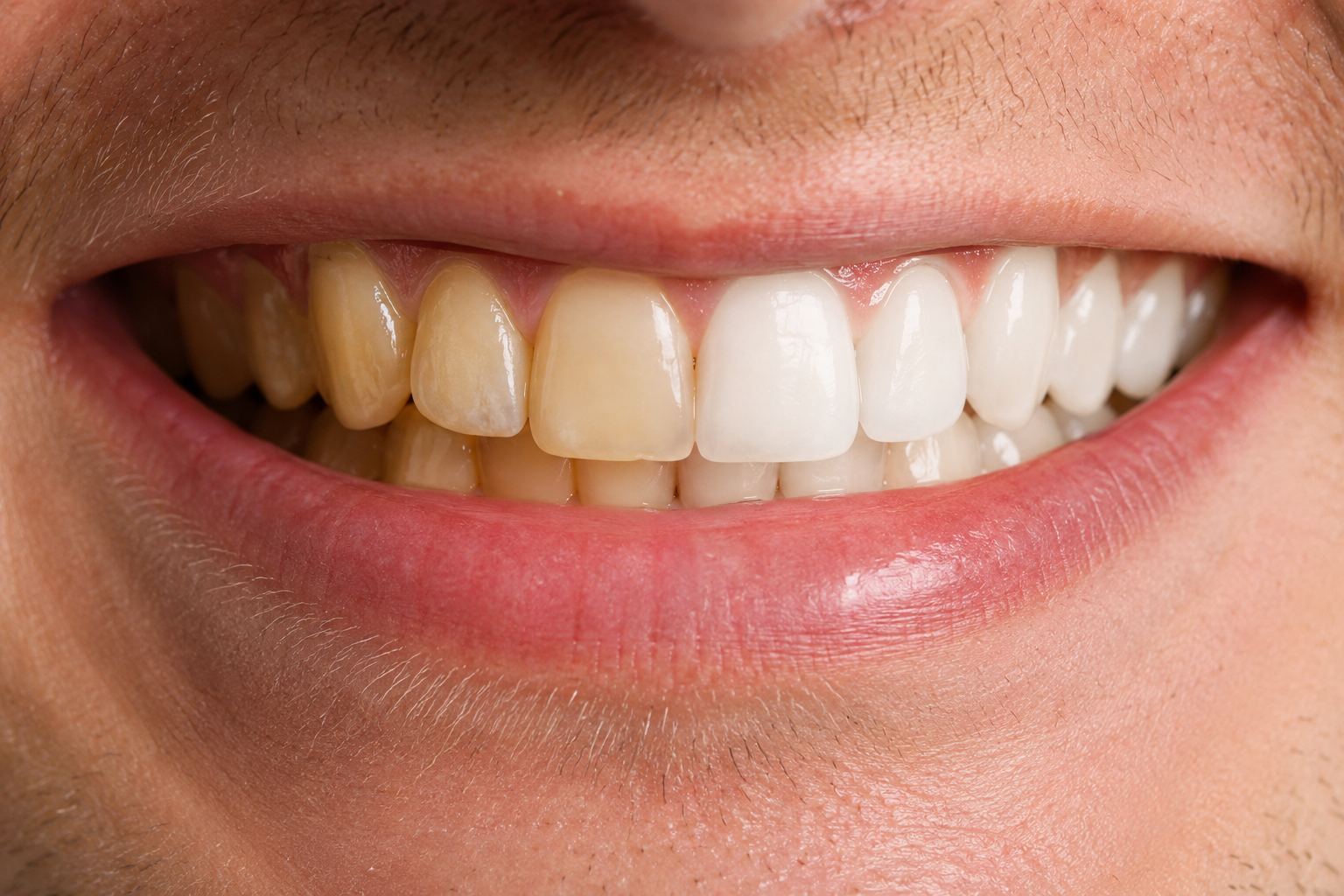
A brasssmile is the term many people now use when their teeth show a warm, yellowish-golden color instead of a clean white or natural ivory look. You brush regularly. You floss. Yet the smile in the mirror still carries that brassy warmth that stands out in photos and under bright lights. This guide explains exactly what causes it, how to spot it early, which treatments work, and the daily habits that keep it from returning. You will leave with clear, practical steps you can start using today.
Understanding Brasssmile: The Warm Tone Explained
Your teeth are not solid white all the way through. The outer layer, called enamel, is slightly see-through. Underneath sits dentin, a naturally yellow material. When enamel is thick and healthy, it softens the yellow from below and your teeth look brighter. When enamel thins or surface stains build up, more of that yellow shows through. The result is a warm, golden, or brassy appearance that many now call a brasssmile.
The word comes from hair coloring, where “brassy” describes unwanted warm tones after bleaching. The same idea applies here. The color is not always flat yellow. It often carries a golden or slightly metallic warmth, especially near the gum line or on the front teeth. Lighting and camera flashes make it more obvious. That is why many people notice it first in selfies or professional photos.
This is different from heavy brown or gray stains. A brasssmile sits in the warm range. It can affect people who take excellent care of their teeth. Diet, age, genetics, and everyday habits all play a part.
Main Causes of Brasssmile
Several everyday factors push teeth toward that warmer tone. Most people deal with more than one at the same time.
Diet and Everyday Drinks
Coffee, black tea, green tea, red wine, and dark sodas rank among the top contributors. These drinks contain tannins and colored compounds that stick to enamel. Tea often stains more than coffee because it has higher tannin levels. Berries, tomato sauces, soy sauce, and curry can add to the problem over months and years.
Acidic drinks make staining easier. Soft drinks, citrus juices, and vinegar-based dressings soften the enamel surface for a short time. Pigments then settle in more easily. Even people who rinse after meals can still see gradual change if these items form a daily habit.
Tobacco Products
Smoking or using other tobacco products leaves deep stains. Nicotine and tar create a stubborn yellowish-brown layer that ordinary brushing struggles to remove. The color often looks warmer and more golden than simple food stains. Quitting helps stop new stains from forming, though existing ones may need professional help.
Enamel Thinning Over Time
Enamel does not grow back. Age, acid exposure, hard brushing, and grinding slowly wear it down. As the protective layer thins, more yellow dentin shows through. This is a common reason teeth look warmer after age 40 even when hygiene stays strong. Acidic foods and reflux speed the process.
Genetics and Natural Tooth Structure
Some people are born with thinner enamel or more yellow dentin. Their natural tooth color starts warmer. Family members often share similar shades. This is not a hygiene problem. It is simply the baseline structure of the teeth.
Medications and Other Factors
Certain antibiotics taken during childhood, especially tetracycline, can cause lasting internal discoloration. Some adult medications and mouth rinses also contribute over time. Trauma to a tooth can change its color from the inside. In rare cases, excess fluoride during tooth formation creates uneven coloring.
Poor plaque control allows surface buildup that looks yellow. Regular brushing and flossing reduce this risk, but they cannot prevent every cause listed above.
How to Recognize Brasssmile Early
Look for these common signs:
- Teeth appear yellow or golden, especially near the gums
- Whitening toothpaste produces little visible change
- Photos make the smile look darker or warmer than real life
- The warm tone remains even after thorough brushing
- Front teeth or certain areas stand out more than others
A simple check helps. Hold a pure white piece of paper next to your smile in natural daylight. If the difference looks strong and warm, you are likely dealing with some degree of brasssmile. Compare photos from a few years ago. Gradual change is easy to miss day by day.
Practical Ways to Treat Brasssmile at Home
Mild to moderate cases often improve with consistent home care. Results take time and steady use.
Whitening Toothpastes
Choose formulas that list hydrogen peroxide or carbamide peroxide. These help lift surface stains. Use twice daily for several weeks. They work best on recent staining and will not dramatically change deep or internal color. Look for products with the American Dental Association seal when possible.
Whitening Strips and Gels
Over-the-counter strips with 10 to 14 percent hydrogen peroxide can lighten teeth in one to two weeks when used as directed. Follow the schedule on the package. Overuse raises the chance of temporary sensitivity. These products reach stains that toothpaste cannot fully remove.
Mild Abrasives Used Sparingly
A small amount of baking soda mixed with toothpaste once or twice a week can help polish surface stains. Limit frequency. Too much abrasion wears enamel further. Activated charcoal products remain popular but carry mixed opinions from dental professionals. Their rough texture may harm enamel with frequent use. If you try them, keep use occasional and choose well-reviewed brands.
Oil Pulling and Supporting Habits
Swishing coconut oil for several minutes has limited scientific support for whitening, yet some people find it reduces surface film. It should never replace brushing and flossing. Rinsing with water after staining drinks remains one of the simplest and most effective habits.
Home methods work best on extrinsic stains that sit on the surface. Internal color from thin enamel or medication usually needs stronger options.
Professional Treatments That Deliver Stronger Results
When home products fall short, a dentist can offer faster and more complete improvement.
In-Office Whitening
Dentists apply higher-strength peroxide gels, sometimes activated by light. One session can lighten teeth several shades in about an hour. Results appear quickly. Sensitivity may follow for a day or two. This option suits people who want noticeable change without weeks of daily trays.
Custom Take-Home Trays
Your dentist makes trays that fit your teeth exactly and provides prescription-strength gel. You wear the trays for a set time each day, often for one to two weeks. The custom fit reduces gel waste and gum irritation compared with store-bought trays. Results build gradually and can match or approach in-office outcomes with good compliance.
Veneers and Bonding
When discoloration lives inside the tooth or whitening cannot reach the desired shade, veneers provide a reliable solution. Thin porcelain covers are bonded to the front of the teeth. They mask color completely and create a uniform, bright look. Bonding uses tooth-colored resin for smaller or less severe cases and costs less than full veneers. Both options require careful maintenance and eventual replacement after many years.
A dentist can also check for other issues such as gum recession that exposes darker root surfaces or early decay that changes color. Addressing the full picture prevents frustration later.
Daily Habits That Prevent Brasssmile From Returning
Prevention beats repeated treatment. Small changes add up.
Rinse with water right after coffee, tea, wine, or dark sodas. This removes many pigments before they lock onto enamel. Use a straw for iced drinks to limit contact with front teeth. Wait at least 30 minutes after acidic foods or drinks before brushing. Acid softens enamel temporarily, and brushing too soon can increase wear.
Stay well hydrated. Saliva helps neutralize acids and wash away particles. Choose crunchy fruits and vegetables such as apples, carrots, and celery. They gently clean surfaces while you chew. Dairy products supply calcium and phosphates that support enamel health.
Brush gently with a soft-bristled brush and fluoride toothpaste. Hard pressure or medium-hard bristles speed enamel loss over years. Floss daily to remove plaque between teeth where stains often start. Schedule professional cleanings every six months. Hygienists remove tartar and surface film that home care cannot reach.
If you use tobacco, quitting brings multiple health benefits, including slower stain buildup. For people with reflux or frequent acid exposure, managing those conditions protects enamel long term.
The Confidence Side of a Brighter Smile
Feeling self-conscious about tooth color can change how often you smile. Research shows that people rate brighter, more even smiles as more approachable and confident. The reverse also holds. When you feel better about your smile, you tend to share it more freely. That simple change affects daily interactions and mood. Treating a brasssmile is not only about appearance. It supports the ease with which you present yourself.
When You Should See a Dentist
Book an appointment if discoloration appears suddenly, if gray or dark spots show up, if gums recede or bleed, if whitening products produce no change after consistent use, or if sensitivity accompanies the color change. Rapid shifts can signal issues beyond ordinary staining. A professional exam identifies the exact cause and matches the treatment to it. Early advice often saves time and money.
Realistic Expectations and Long-Term Care
No treatment lasts forever without maintenance. Whitening results fade as new stains form. Veneers and bonding need good oral hygiene and occasional check-ups. Genetics and age continue to influence baseline color. The goal is steady improvement and prevention rather than perfection that requires constant effort.
Track progress with consistent lighting and the same camera. Monthly photos under natural light give a clearer picture than daily mirror checks. Combine home care with professional visits for the best long-term outcome.
Many people successfully reduce the warm tone of a brasssmile and keep results for years by pairing smart daily habits with the right professional support when needed. Start with the simplest steps that fit your routine. Rinse after staining drinks. Use a quality whitening toothpaste. Schedule that overdue cleaning. Small consistent actions produce visible change.
Your smile is something you see every day. Taking practical steps to address a brasssmile gives you one less thing to think about when you look in the mirror or share a photo. Choose one habit to begin this week and build from there.