
 By Admin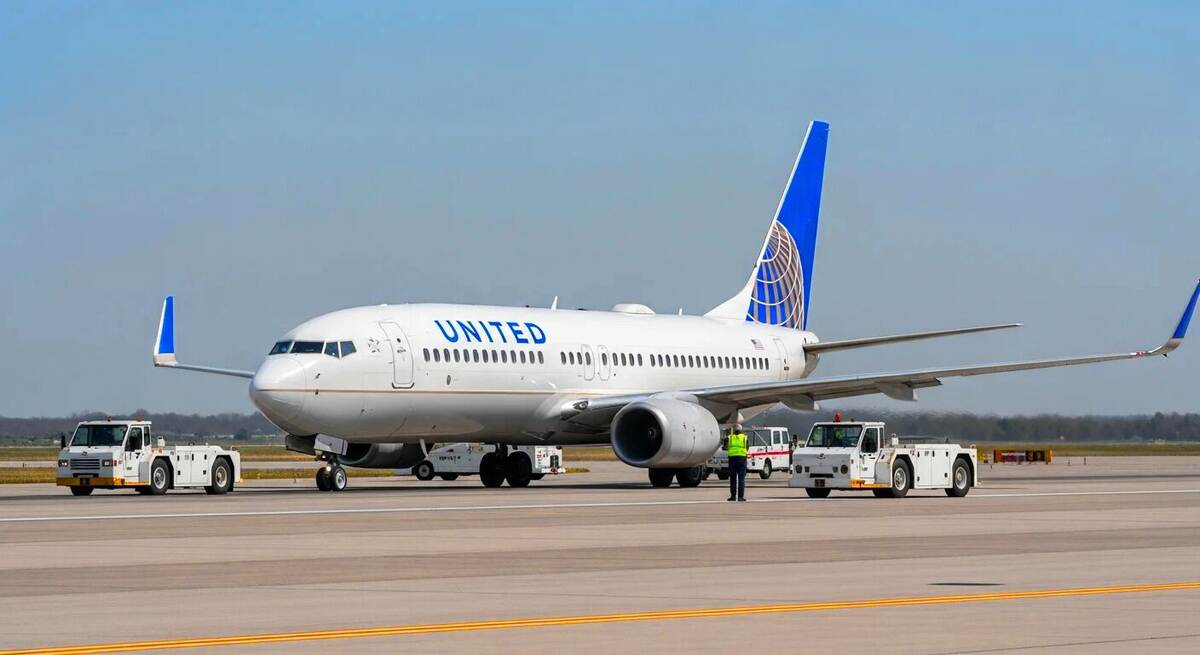
Imagine settling into your seat on a transatlantic flight, coffee in hand, watching the European coastline fade away as you head toward the bustling streets of Chicago. That’s exactly where hundreds of passengers found themselves on May 27, 2025, aboard United Airlines Flight UA770. What started as a routine journey quickly turned into a textbook example of aviation professionalism during the United Airlines Flight UA770 Emergency Diversion, when the crew detected a cabin pressurization anomaly mid-flight. No one was hurt, and the plane landed safely, but the incident sparked widespread interest in how airlines manage unexpected challenges at 37,000 feet.
As someone who’s followed aviation news and safety protocols for years, I’ve seen my share of these stories. Flight UA770 diversions happen more often than you might think, but they rarely make headlines unless something dramatic unfolds. The United Airlines Flight UA770 Emergency Diversion stands out because it highlights the reliability of modern aircraft systems and the quick thinking of trained crews. In this breakdown, we’ll walk through every aspect of the event—from the first warning signs to the lessons that could prevent similar issues in the future. Whether you’re a frequent flyer curious about what goes on behind the cockpit door or just someone who wants the full story, you’ll come away with a clearer understanding of why safety always comes first in the skies.
What Led to the Emergency on Flight UA770
Flight UA770 wasn’t your everyday short-haul trip. It was a long-haul Boeing 787-9 Dreamliner, registration N26902, carrying 257 passengers and 12 crew members for a total of 269 people on board. The aircraft departed on schedule from Barcelona-El Prat Airport (BCN) in Spain, bound for Chicago O’Hare International Airport (ORD) in the United States. Weather conditions were clear, and everything seemed normal during the initial climb and early cruise phase prior to the United Airlines Flight UA770 Emergency Diversion.
About 90 minutes into the flight, while cruising at 37,000 feet over the Atlantic, the cockpit instruments lit up with an alert. It wasn’t a full-blown decompression—no sudden drop in cabin pressure that would force oxygen masks to deploy. Instead, it was a detected anomaly in the pressurization system that ultimately led to the United Airlines Flight UA770 Emergency Diversion, the sophisticated setup that keeps the air breathable and comfortable at high altitudes. Pilots train extensively for these scenarios, and in this case, the crew followed protocol by declaring a general emergency.
This type of issue falls under common reasons for flight diversions in aviation safety protocols. Cabin pressurization relies on engine bleed air and outflow valves to maintain the equivalent of about 8,000 feet altitude inside the cabin. A glitch here could stem from sensor malfunctions, valve issues, or even software glitches in the aircraft’s computers, all factors evaluated during the United Airlines Flight UA770 Emergency Diversion.
Detailed Timeline of the Incident
Let’s break down the sequence of events step by step, based on air traffic control logs, flight tracking data, and official statements related to the United Airlines Flight UA770 Emergency Diversion. Timelines like this help illustrate how quickly situations can evolve—and resolve—in the air.
- 2:30 PM CEST (Departure): UA770 lifts off from Barcelona on time. Passengers buckle up for the roughly nine-hour transatlantic crossing. The Boeing 787’s efficient engines hum smoothly as the plane climbs to cruising altitude.
- 4:00 PM CEST (Issue Detected): Approximately 90 minutes after takeoff, the crew notices the pressurization anomaly. Cockpit warnings indicate a potential irregularity, though cabin pressure remains stable. No masks drop, and passengers report feeling normal.
- 4:05 PM CEST (Emergency Declaration): The pilots squawk code 7700 on their transponder—the universal signal for a general emergency. This alerts air traffic control across Europe, giving the flight immediate priority. The captain announces the situation calmly over the intercom, reassuring everyone that the plane is stable but needs to divert for safety checks.
- 4:10 PM CEST (Diversion Decision): After quick coordination with ATC, the crew opts for London Heathrow Airport (LHR) as the diversion point. Heathrow is well-equipped for long-haul emergencies, with extensive runways, medical teams, and maintenance facilities nearby.
- 4:55 PM BST (Safe Landing): The aircraft touches down smoothly on runway 27R at Heathrow. Emergency vehicles stand by but aren’t needed. The plane taxis to gate B44 without incident.
The entire diversion took less than an hour from detection to landing. That’s a testament to the Boeing 787’s redundant systems and the crew’s expertise.
To visualize the aircraft involved, here’s a look at similar Boeing 787-9 models in flight:
Understanding the Cause: Cabin Pressurization Anomaly
At the heart of the United Airlines Flight UA770 Emergency Diversion was that pressurization alert. Cabin pressurization isn’t just a comfort feature—it’s essential for survival above 10,000 feet, where oxygen levels drop dangerously low. The Boeing 787 uses advanced composites and electric systems to manage this more efficiently than older jets, reducing fuel burn and improving passenger experience.
Investigators from the UK Air Accidents Investigation Branch (AAIB) and the U.S. National Transportation Safety Board (NTSB) would later examine flight data recorders. Preliminary findings pointed to a sensor malfunction rather than a structural failure. Common triggers include:
- Faulty pressure sensors sending false readings.
- Issues with the outflow valves that regulate air escape.
- Software glitches in the environmental control system.
Unlike dramatic decompressions seen in movies, this was a precautionary measure. The system detected a potential problem early, allowing the crew to act before it worsened. In aviation, “better safe than sorry” isn’t a cliché—it’s policy. Similar anomalies have led to diversions on other flights, underscoring why airlines invest heavily in predictive maintenance.
The Crew’s Response and Safety Protocols
What impressed observers most during the United Airlines Flight UA770 Emergency Diversion was the crew’s composure. Captain and first officer, backed by flight attendants, handled the situation like a routine drill. They donned oxygen masks as a precaution during descent, monitored cabin conditions, and kept passengers informed without causing alarm.
Key protocols activated included:
- Squawk 7700: Instantly prioritizes the flight for landing clearance and clears airspace.
- ATC Coordination: Controllers in multiple countries rerouted other traffic to give UA770 a straight path to Heathrow.
- Emergency Services Prep: Fire trucks, ambulances, and ground crew positioned themselves, though unused.
- Passenger Briefing: Calm announcements explained the diversion as a “precautionary measure” for a minor technical issue.
This response aligns with FAA and EASA standards for emergency diversions, clearly demonstrated during the United Airlines Flight UA770 Emergency Diversion. Crews undergo simulator training for pressurization failures at least annually. In UA770’s case, no one needed medical attention upon landing, a clear win for the protocols.
For those interested in how aircraft like the Boeing 787 manage these systems, check out our internal guide on aviation emergency diversions (suggested anchor: “Boeing 787 pressurization explained”).
Passenger Experiences and Reactions
Passengers’ accounts paint a picture of controlled calm rather than chaos during the United Airlines Flight UA770 Emergency Diversion. One traveler, a business executive from Barcelona, later shared: “The captain’s voice was steady, and the crew kept us updated every few minutes. It felt professional, not panicked.” Others noted the smooth descent and landing, with no turbulence adding to the stress.
Social media buzzed post-landing, with tweets praising United’s transparency. No reports of distress or injuries emerged. Flight UA770 attendants distributed water and snacks during the wait at the gate, helping ease any lingering tension. This human element—empathy amid efficiency—often makes the difference in how passengers perceive an emergency.
United Airlines’ Aftermath and Support
Once on the ground following the United Airlines Flight UA770 Emergency Diversion, United sprang into action. Passengers were deplaned safely, offered meals, hotel accommodations, and rebooked on the next available flights to Chicago or their final destinations. The airline issued a statement emphasizing safety as their top priority and confirmed the aircraft underwent a thorough inspection.
The Boeing 787 was grounded temporarily for pressurization system checks, a standard procedure. United’s maintenance teams, in coordination with Boeing, likely replaced suspect components. No long-term delays rippled through the fleet, thanks to spare parts availability at major hubs like Heathrow.
Broader Implications for Aviation Safety
Incidents like the United Airlines Flight UA770 Emergency Diversion remind us that aviation, while incredibly safe, demands constant vigilance. Statistically, commercial flights have a fatality risk lower than driving to the airport, but diversions like this highlight vulnerabilities in complex systems.
The event could prompt:
- Enhanced sensor redundancies in next-gen aircraft.
- Updated maintenance schedules for pressurization components.
- Better real-time data sharing between airlines and regulators.
With air travel rebounding post-pandemic, these lessons help maintain the industry’s stellar safety record.
Lessons Learned from UA770
Every diversion teaches something valuable, and the United Airlines Flight UA770 Emergency Diversion reinforced key safety lessons:
- Proactive Monitoring: Early detection via onboard diagnostics prevents escalation.
- Crew Training: Simulations build the confidence seen in UA770.
- Communication: Keeping passengers in the loop reduces anxiety.
- Infrastructure Readiness: Hubs like Heathrow prove why diversions to major airports matter.
Regular aircraft maintenance and rigorous pilot training remain non-negotiable.
For more informational blogs visit here.
Conclusion
United Airlines Flight UA770 Emergency Diversion was a masterclass in handling the unexpected with grace and expertise. No lives were at risk, but the incident reinforced why aviation prioritizes caution above all. As flyers, we can take comfort in these systems and people working tirelessly behind the scenes. Next time you’re aboard, remember: that slight course change might just be saving the day.
Safe travels—stay informed, and fly confidently.
Frequently Asked Questions
What exactly caused the emergency on United Airlines Flight UA770? The United Airlines Flight UA770 Emergency Diversion stemmed from a detected anomaly in the cabin pressurization system, likely a sensor issue, about 90 minutes after takeoff. No actual decompression occurred.
Were there any injuries or serious problems for passengers? No injuries were reported. All 269 people on board disembarked safely, with passengers describing the experience as calm and well-managed.
Why did the flight divert to London instead of continuing to Chicago? London Heathrow was the nearest suitable major airport equipped for a long-haul Boeing 787 emergency, ensuring quick access to maintenance and medical support.
How common are flight diversions like this? Diversions happen several times daily worldwide, often for medical, technical, or weather reasons. UA770’s case was precautionary, not catastrophic.
Did United Airlines compensate passengers? Yes, affected passengers received meal vouchers, accommodations if needed, and rebooking options at no extra cost, per standard airline policy.
Will this affect future United flights or the Boeing 787 fleet? The aircraft was inspected and returned to service after checks. It may lead to minor procedural updates but shouldn’t impact overall operations.