
 By Admin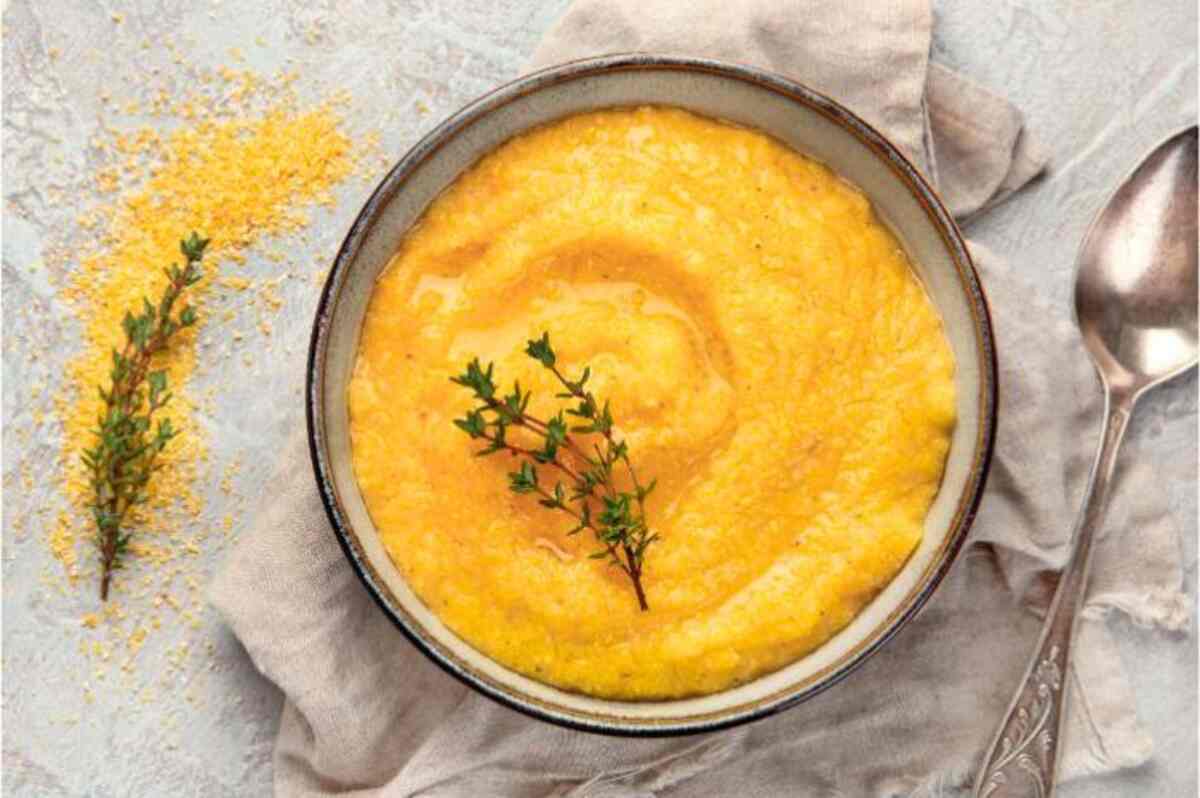
If you’re just starting out with traditional cooking, palentu might seem unfamiliar at first. But here’s the thing—this comforting cornmeal porridge is actually one of the easiest staples you can learn to make. Popular throughout the Balkans and parts of Eastern Europe (and closely related to Italian polenta), palentu is all about achieving that smooth, velvety texture that makes it such a satisfying dish. You can serve it alongside grilled meats or turn it into a complete meal on its own. The real secret? Learning how to get it creamy without those frustrating lumps. I’m going to share the straightforward techniques I’ve learned through plenty of trial and error, so you can get it right from the start.
What Exactly Is Palentu?
Palentu is a versatile dish made from coarsely ground cornmeal that’s cooked down into a thick, porridge-like consistency. It has deep roots in peasant cooking traditions across Serbia, Romania, and other regions—you might also recognize it as polenta from Italian cuisine. What makes it so appealing is that it’s naturally gluten-free, incredibly affordable, and works equally well in savory or sweet preparations.
I’ve made this dish dozens of times for family dinners, and what really stands out is how adaptable it is. You can top it with cheese and herbs, pair it with stewed vegetables, or serve it under braised meats. The name “palentu” shows up in various regional dialects, but the concept remains the same: simple cornmeal mush that’s deeply satisfying. You don’t need special equipment—just a good pot, a wooden spoon, and a little patience.
Essential Ingredients for Creamy Palentu
Getting the ingredients right from the start makes everything easier. The good news is that palentu doesn’t require much.
Cornmeal: Stick with medium or coarse grind for the best texture. Fine cornmeal tends to get gummy and won’t give you that creamy result you’re after. Stone-ground varieties have the most flavor—there’s an almost nutty quality to them that really comes through.
Liquid base: Plain water works just fine, but mixing in milk or broth makes it even creamier. I typically use a 1:4 ratio—one cup of cornmeal to four cups of liquid.
Seasonings: Salt is essential. Adding butter or olive oil at the end gives it richness, and a bit of grated Parmesan or similar cheese adds a nice savory depth.
One quick note: instant cornmeal will cut your cooking time significantly, but traditionally slow-cooked palentu has much better flavor and texture. Fresh cornmeal also matters—if it’s been sitting in your pantry too long, you might end up with off flavors.
Step-by-Step Guide to Making Palentu
Let me walk you through the process. I’ve fine-tuned this method over many batches, and it’s genuinely beginner-friendly.
Preparing Your Setup
Start with a heavy-bottomed pot to avoid scorching. Measure everything out before you begin—1 cup cornmeal, 4 cups water or broth, and a teaspoon of salt. Bring your liquid to a rolling boil over medium-high heat. This initial boil helps the cornmeal incorporate smoothly.
Adding the Cornmeal
This is the stage where lumps usually form, so pay attention here. Mix your cornmeal with a small amount of cold water to create a slurry first. Then slowly pour this slurry into the boiling liquid while stirring constantly with a wooden spoon or whisk. Immediately reduce the heat to low—keeping it too high will cause splattering and uneven cooking.
Stir continuously for the first 5 minutes. This constant stirring is what prevents lumps and ensures a creamy consistency. After that initial period, you can ease up and stir every couple of minutes.
Cooking to Perfection
Let it simmer for 20-30 minutes, depending on how coarse your cornmeal is. You’ll know it’s ready when it’s thick enough to coat the back of your spoon but still has a pourable consistency. If it gets too thick, just add a bit more hot water or milk to loosen it. I always taste it halfway through to check the seasoning.
For an extra-creamy finish, stir in a couple tablespoons of butter or a handful of grated cheese after you turn off the heat. Cover and let it rest for 5 minutes—it’ll thicken up beautifully.
Techniques for Achieving Creamy Texture
Creaminess comes from more than just stirring. There are a few small tricks that make a real difference.
The Slow Whisk Method
Whisking vigorously when you first add the cornmeal breaks up any clumps before they can form. Later, switch to gentle folding with a spoon—overworking the starches can make the texture gluey. I’ve found that stirring in a figure-eight pattern helps cook everything evenly.
Liquid Ratios and Additions
That 1:4 ratio is your foundation, but feel free to experiment with half milk for a richer result. For a dairy-free version, almond milk adds a subtle nutty flavor that actually complements the cornmeal nicely. Don’t add all your liquid at once—keep some in reserve so you can adjust the consistency as needed.
Heat Control Tips
Low and slow is the way to go. Rushing on high heat leads to uneven cooking and often a scorched bottom. I learned this the hard way more times than I care to admit. Using a heat diffuser or even a double boiler gives you super gentle, even heat.
If you have a slow cooker, try setting it on low for 2-3 hours with occasional stirring. It’s nearly hands-off and produces incredibly creamy results when you don’t want to stand at the stove.
Variations to Try Once You’re Comfortable
Once you’ve mastered the basics, palentu becomes a playground for different flavors.
Savory options: Fold in roasted garlic, fresh rosemary, or sautéed mushrooms. Top it with grilled sausages for a complete meal.
Cheesy versions: Mix in sharp cheddar or crumbled feta. For something different, spread the cooked palentu in a pan, chill it until firm, then slice and fry for crispy polenta squares.
Sweet preparations: Add honey, cinnamon, and fresh berries for a breakfast porridge that’s healthier than most alternatives.
I’ve served creamy palentu under braised short ribs at dinner parties, and it always gets compliments. For a vegan approach, use vegetable broth and coconut milk—you get that creamy richness without any dairy.
If you’re looking for more inspiration, check out our guide on traditional cornmeal recipes for similar dishes that build on these same techniques.
Common Mistakes and How to Avoid Them
Even experienced cooks run into these problems occasionally, but you can sidestep them.
Lumpy texture: Always make that slurry first. Pouring dry cornmeal directly into the liquid almost always creates lumps.
Wrong consistency: Measure carefully and adjust gradually. Keep in mind that palentu thickens as it cools.
Bland flavor: Season early and taste as you go. A little black pepper or fresh herbs can completely transform the dish.
Scorched bottom: Stir frequently and keep the heat at medium-low. A non-stick pot makes things easier when you’re learning.
Patience really is your best tool here. Rushing the process almost always leads to disappointing results. Starting with smaller batches helps you build confidence without wasting ingredients.
Palentu in Modern Kitchens: Health Benefits and Trends
With the current focus on whole foods and minimally processed ingredients, palentu fits perfectly into modern eating habits. The cornmeal provides good fiber for digestion, and it’s naturally low in fat unless you add butter or cheese. It’s also a solid option for anyone avoiding gluten.
I’ve noticed more fusion versions popping up lately—things like Mexican-inspired palentu with chili and avocado. It’s also sustainable since cornmeal stores well and helps reduce food waste. Pair it with seasonal vegetables and you’ve got a well-balanced, satisfying meal.
For more informational blogs visit here.
Wrapping It Up: Your Path to Palentu Mastery
That covers everything a beginner needs to make smooth, creamy palentu without the frustration. Start with the basic recipe, then experiment as you get comfortable. The fundamentals are consistent stirring, proper ratios, and a willingness to try different flavors. Pick up some good cornmeal and give it a try—you might be surprised at how rewarding this simple dish can be. Happy cooking!
Frequently Asked Questions
What’s the difference between palentu and polenta?
Palentu is essentially a regional name for what Italians call polenta. There might be slight differences in the grind of cornmeal or specific preparation methods depending on the region, but the creamy cooking techniques work for both.
Can I make palentu ahead of time?
Yes, definitely. Cook it completely, let it cool, and store it in the refrigerator for up to 3 days. When reheating, add a splash of milk or water to bring back that creamy consistency.
Is palentu suitable for vegans?
Absolutely. Just use water or vegetable broth instead of milk, and skip the butter and cheese (or use plant-based alternatives). The basic dish is naturally vegan.
How do I fix lumpy palentu?
If you end up with lumps, whisk vigorously or use an immersion blender to smooth it out. That said, prevention is much easier—make that cornmeal slurry before adding it to the pot.
What toppings go best with creamy palentu?
Try ratatouille, shredded cheese, or a fried egg for breakfast. Marinara sauce works beautifully for a savory option, and roasted vegetables are always a good choice.
Can I use instant cornmeal for quicker results?
Sure, instant cornmeal cooks in just 5-10 minutes, which is convenient. Just know that the texture won’t be quite as creamy as the traditional method, though it’s perfectly fine when you’re short on time.
In my experience, the difference between good palentu and great palentu really comes down to not rushing the stirring—those first few minutes of constant attention are what separate a smooth, restaurant-quality dish from something lumpy and disappointing.