
 By Admin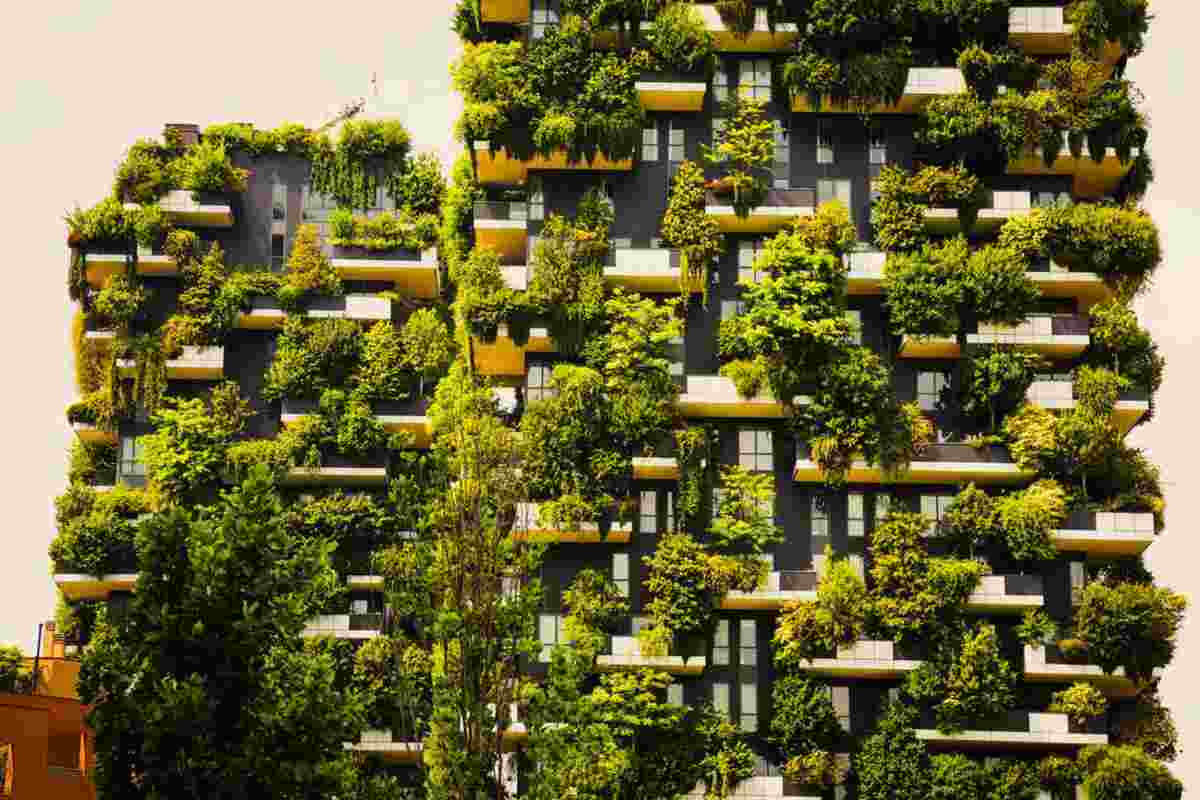
Cities are growing faster than ever before. More people are moving into urban areas, and with that growth comes a big challenge. How do we build cities that are smart, green, and livable for everyone? This is where Axurbain comes in.
Axurbain is a modern concept that is changing the way we think about urban living and architecture. It blends sustainability, technology, and thoughtful design to create cities that work better for people and the planet. Whether you are a student, a curious reader, or someone who simply wants to understand where our cities are headed, this article will walk you through everything you need to know.
What Is Axurbain?
At its core, Axurbain is a forward-thinking approach to urban development. The word itself combines ideas of urban planning and sustainable design into one unified vision. It is not just about building tall glass towers or adding a few solar panels to a rooftop. Axurbain goes much deeper than that.
It is about rethinking how cities are designed from the ground up. How people move around, how energy is used, how green spaces are created, and how communities connect with each other. The goal is simple: build cities that are efficient, eco-friendly, and enjoyable to live in.
Why Sustainable Urban Living Matters Today
Before we dive deeper into Axurbain, it is important to understand why sustainable urban living has become such an important topic.
Right now, cities consume around 70% of the world’s energy and produce more than 60% of global carbon emissions. Traffic congestion, pollution, overcrowding, and poor infrastructure are problems that millions of people face every day. If we continue building cities the same way we always have, these problems will only get worse.
Sustainable urban living offers a way out. It focuses on reducing waste, cutting emissions, using renewable energy, and designing spaces where people can live comfortably without harming the environment. Axurbain takes these ideas and turns them into real, practical architecture and planning solutions.
Key Principles of Axurbain Architecture
Green Building Design
One of the most visible aspects of Axurbain is its emphasis on green building design. Buildings are constructed using eco-friendly materials, and their layouts are carefully planned to maximize natural light and airflow. This reduces the need for artificial lighting and air conditioning, which lowers energy consumption significantly.
Green rooftops, vertical gardens, and living walls are also common features in Axurbain architecture. These elements do more than just look beautiful. They improve air quality, regulate building temperature, and provide small ecosystems for birds and insects in the middle of a busy city.
Smart Energy Systems
Axurbain communities rely heavily on renewable energy. Solar panels, wind energy systems, and geothermal heating are integrated directly into buildings and public spaces. Smart energy grids monitor usage in real time and adjust supply based on demand, which means very little energy goes to waste.
Residents in Axurbain neighborhoods often have access to energy dashboards that show them exactly how much power their home is using. This kind of transparency encourages people to be more mindful of their consumption habits.
Walkability and Green Transportation
A city designed around Axurbain principles makes it easy to walk, cycle, or use public transportation. Wide, well-shaded sidewalks, dedicated bike lanes, and efficient public transit systems reduce the number of private cars on the road.
Fewer cars mean less pollution, quieter streets, and safer communities. It also means people get more exercise simply by going about their daily lives, which has a positive impact on public health.
Mixed-Use Spaces
In traditional city planning, residential areas, commercial zones, and parks are often kept separate. Axurbain challenges this idea by creating mixed-use spaces where people can live, work, shop, and relax all within the same neighborhood.
This approach reduces commute times, builds stronger communities, and makes cities feel more alive and vibrant. When everything you need is within walking distance, life becomes simpler and more enjoyable.
How Axurbain Benefits Everyday People
You might be wondering what all of this means for ordinary people. The benefits of Axurbain are very real and very practical.
First, people who live in Axurbain communities tend to have lower utility bills because their homes are energy-efficient and often powered by renewable sources. Second, cleaner air and more green spaces lead to better physical and mental health. Studies have consistently shown that access to nature, even in small doses, reduces stress and improves overall wellbeing.
Third, Axurbain neighborhoods are designed to be inclusive. Affordable housing, accessible public spaces, and community centers are built into the plan from the very beginning. This means people from different backgrounds and income levels can all benefit equally.
Real-World Examples Inspired by Axurbain Thinking
Several cities around the world have already started adopting principles that align closely with the Axurbain vision.
Copenhagen in Denmark is often considered one of the most sustainable cities on earth. It has an impressive cycling infrastructure, a strong commitment to renewable energy, and ambitious plans to become carbon neutral. Singapore has taken vertical green spaces to a whole new level, with lush gardens growing on the sides and rooftops of buildings throughout the city. Amsterdam has redesigned its streets to prioritize pedestrians and cyclists over cars, making it one of the most walkable cities in Europe.
These examples show that the ideas behind Axurbain are not just theoretical. They are being put into practice right now, and they are working.
Challenges on the Road to Sustainable Cities
Of course, transforming the way we build and plan cities is not without its challenges. One of the biggest obstacles is cost. Sustainable materials and smart technologies can be expensive upfront, even though they save money in the long run.
There is also the challenge of changing mindsets. Many people and governments are still attached to traditional ways of building and living. Convincing communities to embrace new ideas takes time, education, and strong leadership.
Despite these challenges, the momentum behind Axurbain and sustainable urban development continues to grow. More architects, city planners, and governments are recognizing that the old way of doing things is simply not sustainable anymore.
The Future of Axurbain
The future looks promising. As technology continues to advance and awareness of climate change grows, Axurbain principles are becoming more mainstream. Younger generations, in particular, are demanding greener, smarter, and more connected cities.
Architects and urban planners are working on exciting innovations. From buildings that generate more energy than they consume, to neighborhoods designed entirely around pedestrian life, to entire cities built from scratch with sustainability at their heart.
Axurbain is not just a trend. It is a necessary shift in how humanity designs its future. And the good news is, that future is already being built.
For More Informational Blogs Visit Trend Fables
Final Thoughts
Understanding Axurbain does not require a background in architecture or urban planning. At its heart, it is about one simple idea. Building cities that are better for people and better for the planet.
Whether you live in a small town or a major city, the principles of Axurbain are likely to shape the world around you in the coming years. By learning about these ideas today, you are already a step ahead in understanding the future of where and how we live.
The cities of tomorrow are being imagined right now. And with concepts like Axurbain leading the way, that future looks greener, smarter, and more human than ever before.