

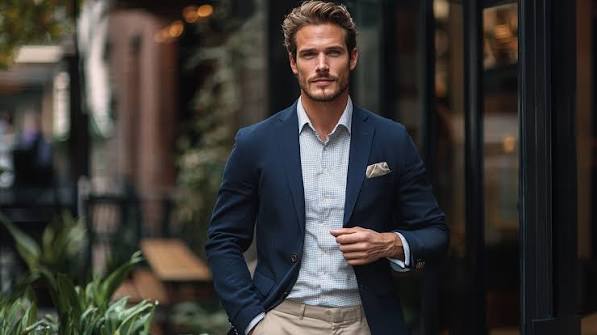
A blazertje is a smaller or more relaxed form of a blazer, a word commonly used in Dutch. In Dutch, the ending “-tje” is a diminutive form, so blazertje can be understood as “little blazer.” The word refers to a jacket with the familiar features of a blazer, but the exact cut, fabric, length, and level of formality can vary.
For shoppers, the term can be slightly confusing because it does not always describe one fixed design. Some versions are cropped, while others finish around the hip. Some have a tailored shape, while others are loose and soft. Understanding these differences makes it much easier to choose a jacket that actually works with your clothes and daily routine.
What Is a Blazertje?
A blazertje is essentially a blazer-style jacket with a lighter, smaller, softer, or more casual feel. It can have classic blazer details such as lapels, buttons, sleeves, a collar, and pockets. Depending on the design, it may look suitable for an office, a dinner, a casual outing, or even an event.
The important point is that blazertje is not necessarily a strict technical clothing category with one universally agreed measurement or construction. In Dutch, the word is the diminutive form of blazer. Dutch dictionary sources list blazertje as the diminutive of blazer, while blazer can mean a short jacket.
That means you should pay more attention to the actual garment than the label. Look at its fabric, shoulder shape, length, lining, buttons, and fit. These details tell you how formal or casual the jacket will look.
Understanding the Meaning of Blazertje
The word comes from Dutch word formation. The suffix “-tje” is used as a diminutive, which can indicate something smaller or give a word a softer, more informal character. As a result, blazertje literally works as a diminutive form of blazer.
In everyday fashion discussions, however, the word may be used more loosely. A retailer, fashion writer, or shopper might use it for a shorter, lighter, relaxed, or youthful blazer-style jacket. Because of this, two products described with the same term may look quite different.
This is useful to remember when shopping online. Do not assume that every blazertje will have a cropped waist or a loose fit. Always check the product measurements and photos before buying.
How a Blazertje Differs From a Traditional Blazer
A traditional blazer is usually designed to give the upper body a structured appearance. It may have stronger shoulders, a defined waist, a full lining, heavier fabric, and a more formal cut.
A blazertje may use some of those same details but often feels easier to wear. The construction can be softer, the fabric lighter, and the length shorter. However, these are common characteristics rather than rules.
Cut and Length
Length is one of the easiest ways to change the appearance of a blazer-style jacket. A shorter jacket can visually highlight the waist and work well with high-rise trousers or skirts. A longer jacket can create a more traditional and polished appearance.
If you have a shorter torso, be careful with extremely cropped designs. They can make the upper body look even shorter. A jacket that ends near the natural waist or slightly below it may create a more balanced shape.
For people with a longer torso, a slightly longer jacket can help keep the outfit proportionate. The goal is not to follow a fixed body-type rule but to choose a length that works with the rest of your clothing.
Structure
Shoulder construction has a major effect on the overall appearance. Strong shoulder padding can make a jacket look formal and sharp. A softer shoulder creates a relaxed appearance.
For everyday use, moderate structure is often easier to style. It can be worn with jeans without looking like part of a suit, while still giving a simple outfit a cleaner shape.
Fabric
Fabric affects comfort, appearance, and seasonal use. Cotton and linen are useful in warmer weather because they tend to feel lighter. Wool and wool blends can work well during colder months. Polyester and synthetic blends can provide durability and easier care, although comfort depends on the specific fabric and construction.
Do not choose fabric based only on its name. Check the fabric weight, lining, stretch, care instructions, and how the material behaves when worn.
Popular Blazertje Styles
There is no single look that defines this type of jacket. Different cuts can suit different wardrobes and occasions.
Cropped Blazertje
A cropped version usually ends around the waist or upper hip. It works particularly well with high-waisted trousers, jeans, and skirts.
Because the jacket is shorter, the lower part of the outfit becomes more visible. This can create a clean visual line when the trousers or skirt have a high waist.
A cropped jacket can also be useful for evening outfits. Pairing it with a simple dress can provide a little structure without covering the entire outfit.
Oversized Style
An oversized blazer-style jacket has a wider body and relaxed shoulders. It is often worn with simple clothing underneath to keep the outfit from becoming too busy.
For example, an oversized jacket can work with a fitted T-shirt, straight-leg jeans, and simple shoes. If both the jacket and trousers are very loose, the outfit can appear bulky, so balance is important.
Tailored Style
A tailored version follows the body more closely. It may have shaped seams, a defined waist, structured shoulders, and a cleaner front.
This style is useful for professional settings because it gives an outfit a more polished appearance. It can also be worn casually with denim or a plain top.
Double-Breasted Style
Double-breasted jackets have two columns of buttons and a front that overlaps across the body. They usually create a stronger visual presence than single-breasted designs.
They can look excellent with simple trousers or jeans because the jacket itself provides much of the outfit’s visual interest.
Soft and Unstructured Style
An unstructured jacket has less padding and fewer stiff construction elements. It tends to feel more like a comfortable layer than a formal jacket.
This is a good option for people who want the appearance of a blazer without the stiffness of traditional tailoring.
How to Choose the Right Blazertje
The best jacket is not simply the one that looks attractive on a product page. It should fit your body, match your existing clothes, and suit the situations in which you plan to wear it.
Check the Shoulder Fit First
The shoulders are among the most important parts to check. If the shoulder seam sits far beyond your natural shoulder, the jacket may look too large unless an oversized style is intentional.
If the shoulder is too narrow, the jacket can feel restrictive and create pulling around the upper back.
A good fit should allow normal movement without excessive fabric bunching.
Check Sleeve Length
Sleeves should generally end around the wrist area, although fashion styles can intentionally use longer or shorter sleeves.
When trying on a jacket, bend your arms and move naturally. A sleeve that looks fine while standing still may feel uncomfortable when you move.
If everything else fits well but the sleeves are slightly long, alterations may be possible.
Look at the Button Position
The position of the main button can change the appearance of the jacket. A higher button can visually raise the waist, while a lower button can create a longer upper-body line.
The button should close without creating strong pulling lines across the chest or stomach.
If the jacket looks good only when left open because the button pulls when closed, consider trying another size or cut.
Consider Your Existing Wardrobe
Before buying, think about at least five outfits you could create with the jacket.
If you already own black trousers, blue jeans, white shirts, plain T-shirts, and neutral shoes, a neutral jacket may provide more value than a bold seasonal color.
If your wardrobe is mostly neutral, a patterned or colored jacket can add variety without requiring many additional pieces.
How to Wear a Blazertje Casually
One of the easiest combinations is a blazer-style jacket with jeans and a simple T-shirt.
Straight-leg or slim jeans can work with a wider jacket, while relaxed jeans can look better with a more fitted jacket. Sneakers keep the outfit casual, while loafers or clean leather shoes can make it look more polished.
For a simple weekend outfit, try a neutral T-shirt, blue jeans, a relaxed jacket, and minimal sneakers. The combination is comfortable but has more structure than jeans and a T-shirt alone.
With Trousers
Pairing a short or relaxed jacket with trousers can create a clean smart-casual outfit.
For a balanced appearance, consider contrast. A fitted jacket can work with wider trousers, while a relaxed jacket can work with straighter or more fitted trousers.
Matching the jacket and trousers in the same fabric and color can create a suit-like appearance. Using different colors or textures gives you a more casual look.
With a T-Shirt
A plain T-shirt is one of the easiest pieces to wear under a blazer-style jacket. White, black, gray, navy, and cream are especially easy to combine.
Avoid overly thick T-shirts under a fitted jacket because they can create unwanted tightness around the chest and arms.
With a Shirt
A button-down shirt creates a smarter appearance. You can wear the shirt fully tucked, partially tucked, or untucked depending on the jacket length and overall style.
For a relaxed outfit, leave the jacket open and use a simple shirt underneath. For a formal setting, button the shirt and choose cleaner trousers and shoes.
How to Wear a Blazertje for Work
Work clothing depends heavily on the workplace. A creative office may allow jeans and casual jackets, while a corporate environment may require more traditional tailoring.
For a professional appearance, choose a jacket with clean lines and moderate structure. Combine it with tailored trousers, a simple shirt, and understated shoes.
Neutral colors such as navy, charcoal, black, beige, gray, and cream are easy to repeat throughout the week. They also make it easier to build several outfits from a small wardrobe.
If your workplace has a formal dress code, a blazer-style jacket should not automatically replace a proper suit jacket. Check the dress expectations before relying on a casual cut for an important meeting.
Wearing It With Dresses and Skirts
A short blazer-style jacket can work well over a dress because it adds structure around the upper body.
When the dress is loose and flowing, a more fitted jacket can create contrast. With a fitted dress, a relaxed jacket can provide a softer outer layer.
Skirts offer similar flexibility. A cropped jacket can work especially well with a high-waisted skirt because the jacket and skirt create a clear waistline.
The key is proportion. If both pieces are very oversized, the outfit may lose its shape. If both are extremely fitted, the result may feel restrictive.
Choosing the Best Fabric for Each Season
Spring and Summer
Light cotton, linen, linen blends, and lightweight synthetic fabrics can be useful when temperatures rise.
Linen can develop wrinkles quickly, which is part of its natural appearance. If you prefer a smoother look with less maintenance, a cotton or blended fabric may be easier.
Look for breathable construction and avoid unnecessary heavy lining when shopping for warm-weather clothing.
Autumn and Winter
Wool, wool blends, heavier cotton, and thicker synthetic fabrics provide more warmth.
A lined jacket can also make layering easier, especially over shirts or thin knitwear. If you plan to wear it over sweaters, check the arm and shoulder room before buying a close-fitting design.
The jacket does not have to be extremely thick. A medium-weight piece can often work across several months when combined with other layers.
Common Buying Mistakes
One common mistake is buying a jacket based entirely on the model’s appearance. Clothing can look very different depending on height, body proportions, styling, and camera angle.
Another mistake is ignoring measurements. Sizes are not consistent between brands. A medium in one store can fit very differently from a medium somewhere else.
Pay attention to chest width, shoulder width, sleeve length, total length, and waist measurement where available.
Buying Only for One Outfit
A jacket that works with one dress but nothing else may not be the best wardrobe purchase.
Before buying, identify several outfits you can create. A versatile piece should work with at least a few different bottoms and tops.
Ignoring Care Instructions
Some jackets require dry cleaning or careful washing. Others can be machine washed.
If you want a jacket for frequent use, care requirements should be part of your buying decision. A garment that looks excellent but is difficult to maintain may spend more time in the closet than in your outfits.
How to Care for Your Blazertje
Proper care can help a jacket maintain its shape and appearance.
Always read the care label first. Different fabrics require different washing and drying methods. Do not assume that a jacket can be treated like an ordinary T-shirt.
After wearing it, give it time to air out before putting it back into a crowded wardrobe. Use a suitable hanger that supports the shoulders instead of folding the jacket repeatedly.
For minor wrinkles, steaming can be useful for many fabrics. Follow the garment’s care instructions and use caution with heat-sensitive materials.
If the jacket becomes heavily stained, professional cleaning may be safer than trying an aggressive home treatment.
How to Build Outfits Around One Neutral Jacket
A neutral jacket can become one of the most useful pieces in a wardrobe because it works with many colors.
For example, a navy jacket can be worn with blue jeans, beige trousers, gray trousers, white shirts, striped tops, and plain T-shirts.
A black jacket can create sharper outfits with gray, white, beige, and denim. A beige jacket tends to work well with white, brown, navy, black, olive, and denim.
You do not need a large collection of jackets. One well-fitting neutral piece can cover many everyday situations.
Is a Blazertje Worth Buying?
For many people, yes, especially if they want a jacket that sits between casual clothing and formal tailoring.
Its main advantage is flexibility. You can change the rest of the outfit to make the same jacket appear casual, professional, or suitable for an evening occasion.
However, not every design will work for every person. The right choice depends on fit, fabric, climate, wardrobe, and lifestyle.
If you rarely wear structured clothing, a soft and relaxed version may be more useful than a heavily tailored jacket. If you regularly attend business meetings, a structured style may provide greater value.
Frequently Asked Questions
What does blazertje mean?
Blazertje is the Dutch diminutive form of “blazer.” In simple terms, it can be understood as “little blazer.” Dutch language sources list it as the diminutive form of blazer.
Is a blazertje the same as a blazer?
Not always. The term is related directly to “blazer,” but it may be used to describe a smaller, shorter, lighter, or more casual blazer-style jacket. The actual design depends on the garment.
Can you wear one with jeans?
Yes. Jeans and a blazer-style jacket are a common smart-casual combination. Choose a relaxed or softly structured jacket for a more natural casual appearance.
Can you wear it to work?
Yes, provided the style matches your workplace dress code. A structured version with tailored trousers and a shirt is generally more suitable for formal offices than a heavily cropped or oversized design.
What color should you buy first?
Neutral colors are usually the easiest starting point. Navy, black, gray, beige, and cream can work with a wide range of shirts, trousers, jeans, and shoes.
How should a blazer-style jacket fit?
The shoulders should sit correctly, the jacket should allow comfortable movement, and the front should close without excessive pulling. Sleeve and body length should also suit your proportions.
Is an oversized style difficult to wear?
It can be easy to wear if the rest of the outfit is balanced. Try combining a relaxed jacket with a simpler or more fitted base layer and clean footwear.
What fabric is best?
There is no single best fabric. Linen and lightweight cotton can suit warm weather, while wool and heavier blends can work better in colder conditions. Your climate and intended use should guide the choice.
Final Thoughts
A blazertje is best understood as a Dutch diminutive form of “blazer,” rather than one rigid clothing design. The word can refer to a blazer-style jacket with a smaller, lighter, softer, or more casual character, depending on how it is used.
The most important thing when choosing one is not the name on the product page. Focus on fit, fabric, construction, length, comfort, care requirements, and how well it works with the clothes you already own.
A good choice should make getting dressed easier, not create another item that only works for one occasion. Start with a versatile cut and a color you can wear often, then build different outfits around it.