
 By Admin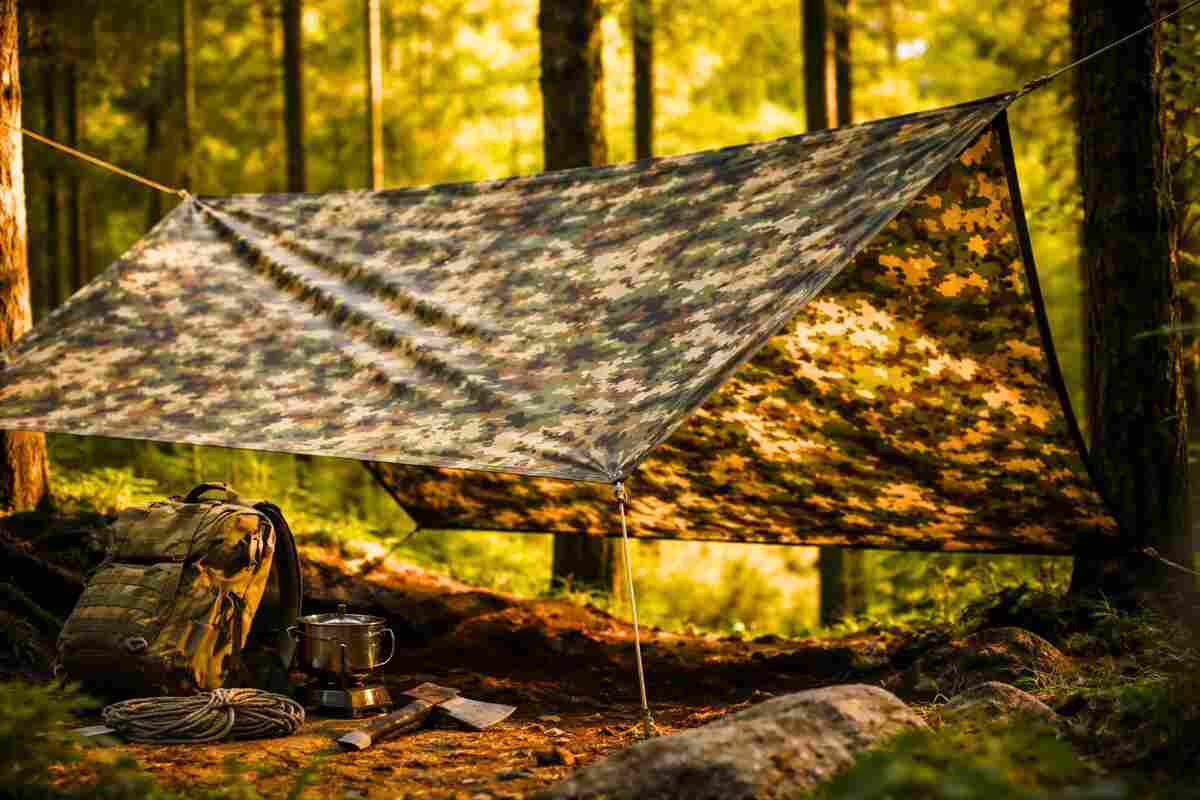
Picture this. You are deep in the forest, miles from the nearest shelter, and the sky suddenly opens up. Rain hammers down without warning. In moments like these, the difference between a miserable night and a comfortable camp comes down to one thing: whether you packed a reliable tarnplanen.
A tarnplanen, the Scandinavian term for a heavy-duty waterproof tarp, has long been a staple in the kits of serious outdoor enthusiasts. And for good reason. It is lightweight, versatile, and tough enough to handle whatever nature throws at it. A good tarnplanen is not just a piece of gear. It is your portable roof, your windbreak, your ground sheet, and your peace of mind, all in one compact package.
Whether you are a seasoned hiker, a weekend camper, or someone just starting to explore the outdoors, this guide will show you exactly why a tarnplanen deserves a permanent spot in your pack.
What Is a Tarnplanen?
At its most basic, a tarnplanen is a large waterproof sheet used to provide shelter and protection in outdoor environments. Think of it as a multipurpose shield. You can rig it up as a rain shelter over your campsite, spread it out as a ground cover beneath your tent, or use it as an emergency poncho if the weather turns ugly fast.
Unlike basic plastic sheets or thin ponchos, a quality tarnplanen is built to last. It is made from reinforced, tear-resistant materials designed to hold up under sustained rainfall, strong winds, and rough terrain. Many modern versions combine a polyethylene or ripstop nylon base with a specialized waterproof coating, giving you real durability without adding unnecessary weight to your pack.
Key Features That Make a Tarnplanen Stand Out
Not all waterproof tarps are created equal. Here is what sets a well-made tarnplanen apart from cheaper alternatives.
Superior Waterproofing
A good tarnplanen does not just resist water. It repels it completely. Look for products rated with a high hydrostatic head value. Anything above 3,000mm is considered fully waterproof and suitable for heavy rain conditions. The seams are typically taped or welded to prevent water from sneaking through the stitching, which is a common weak point in cheaper tarps.
Lightweight and Packable
Weight matters when you are covering kilometers on foot. Modern tarnplanen designs are engineered to be as light as possible without sacrificing strength. Many quality options weigh under 500 grams and pack down to roughly the size of a water bottle, small enough to tuck into any corner of your backpack without a second thought.
Reinforced Anchor Points
The corners and edges of a tarnplanen take a lot of stress, especially in windy conditions. Quality models include reinforced grommets, loops, or webbing tie-outs at multiple points around the perimeter. This makes setup easier and ensures the tarp holds firm even when the wind picks up significantly.
UV and Mildew Resistance
Outdoor gear takes a beating from more than just rain. A tarnplanen that breaks down under UV exposure or develops mildew after a few wet trips is a poor investment. Look for tarps with UV-stabilized materials and antimildew treatments, especially if you plan on using your gear in warm, humid climates.
Practical Uses: How Outdoor Enthusiasts Put a Tarnplanen to Work
One of the biggest advantages of a tarnplanen over other types of rain gear is its sheer versatility. Here is how outdoor adventurers use it in the real world.
- Shelter setup. Rigged between trees using paracord, a tarnplanen can create a reliable lean-to or A-frame shelter in minutes. It is a skill worth learning before your first trip, and one that can save you on a rainy night when you were not expecting bad weather.
- Ground sheet protection. Laying a tarnplanen under your tent adds a crucial layer of protection against ground moisture, rocks, and roots. It also helps extend the life of your tent floor significantly.
- Gear and food cover. At camp, you often need to leave gear outside. Draping a tarnplanen over your pack, firewood, or food storage keeps everything dry without requiring you to reorganize your tent every time clouds roll in.
- Emergency situations. In a survival or emergency scenario, a tarnplanen becomes invaluable. It can serve as a stretcher, a signaling device since many come in high-visibility colors, or a makeshift rain collector for drinking water.
- Day hiking shelter. Even on short day hikes where you do not plan to camp, carrying a lightweight tarnplanen gives you an instant rain shelter if you need to wait out a sudden storm.
Choosing the Right Tarnplanen for Your Adventures
With so many options on the market, picking the right outdoor waterproof cover can feel overwhelming. These are the key things to think about before you buy.
Size matters more than people expect. A 3×3 meter tarnplanen works well for solo campers who want to keep things minimal, while groups of two or more are better served by a 4×4 or 4×5 meter model. Bigger is not always better though. A tarp that is too large becomes cumbersome to set up on your own and catches far more wind than you want.
Material choice depends on what you prioritize. Polyethylene tarps are budget-friendly and genuinely waterproof but tend to be heavier. Silnylon, which stands for silicone-coated nylon, is ultra-lightweight and packs down incredibly small, but it comes at a higher price point. Dyneema composite fabric sits at the premium end of the spectrum. It is incredibly light and strong, but expensive enough that it is typically reserved for serious backpackers who count every gram.
Color is also worth considering. Earth tones blend nicely into natural surroundings for stealth camping, while bright orange or yellow tarps are much easier to spot in an emergency situation.
Tips for Setting Up Your Tarnplanen Like a Pro
Even the best durable rain protection tarp will not do you much good if you do not know how to set it up quickly and confidently. Here are a few practical tips to help you get comfortable.
- Practice at home before you need it in the field. Setting up a tarp in your garden on a dry afternoon is a very different experience from doing it in the dark in the middle of a rainstorm.
- Always carry more paracord than you think you will need. At least 20 to 30 meters gives you the flexibility to work with whatever trees or anchor points are available around your campsite.
- Think carefully about water runoff when choosing your tarp angle. A steeper pitch sheds rain faster and reduces the chance of pooling on the tarp surface, which can cause sagging or leaks at the seams.
- Secure the edges properly every single time. A tarp that flaps in the wind is noisy, stressful, and puts real strain on the anchor points, which can eventually cause tearing under sustained gusts.
Why a Tarnplanen Is Essential Gear
There is a mindset shift that happens after you have been caught in unexpected weather without proper cover. Once you have huddled under a flimsy emergency poncho while your sleeping bag slowly soaks through, you stop thinking of a tarnplanen as optional gear. It becomes a non-negotiable part of every kit you pack.
The best outdoor experiences are not always the ones where everything goes perfectly. They are the ones where you are prepared enough to handle what nature throws at you and still have a
great time. A reliable tarnplanen gives you that confidence. It removes the worry and lets you focus on actually enjoying the adventure.
For beginners especially, a waterproof tarp for camping is one of the highest-value purchases you can make. It is simpler than a tent, cheaper than most shelter systems, and far more versatile than any single-purpose rain gear item on the market.
Final Thoughts
A tarnplanen is one of those pieces of outdoor gear that earns its place over and over again, trip after trip. It is not glamorous. It does not have a dozen high-tech features or a flashy brand logo. But when the rain is hammering down and you are sitting dry underneath it, watching the storm roll through the trees, you will know exactly why experienced adventurers swear by it.
If you have not added a quality tarnplanen to your outdoor kit yet, there is no better time than before your next adventure. Your future self, dry and comfortable and listening to rain on a taut shelter overhead, will be very glad you did.