
 By Admin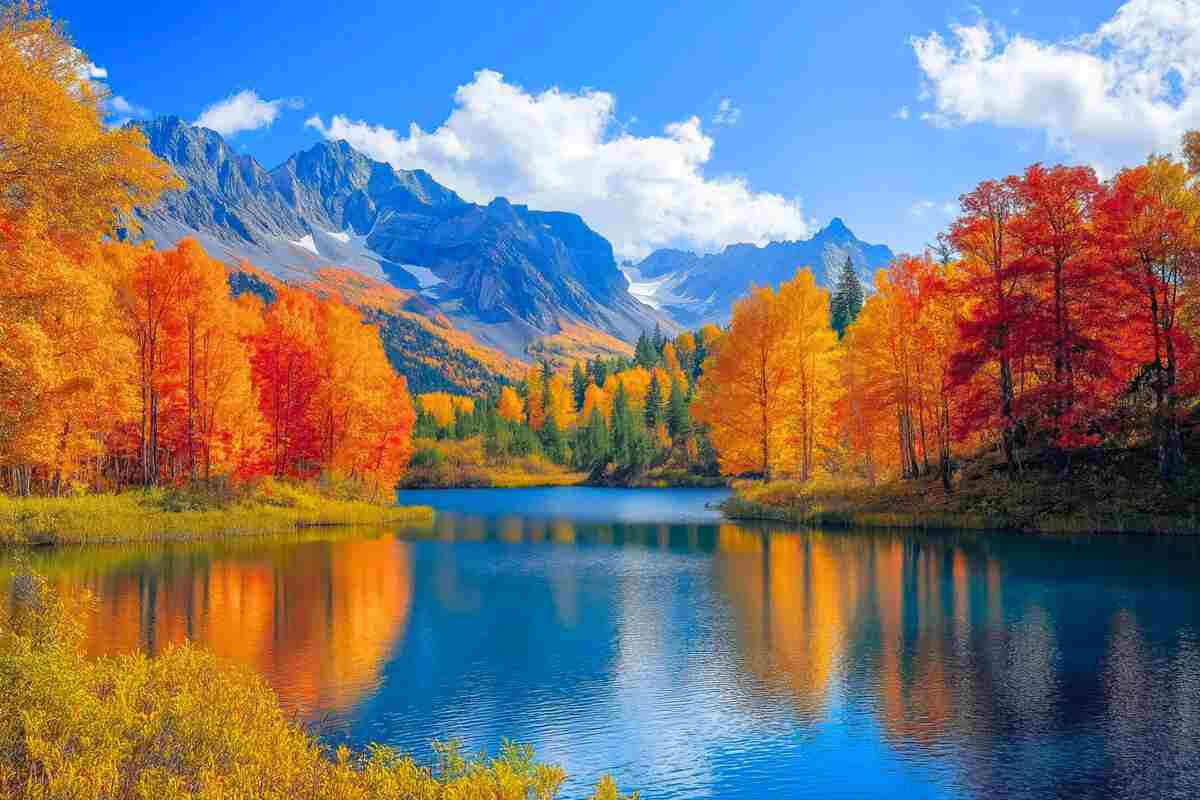
Have you ever dreamed of a place where ancient history whispers through the wind, heart-pumping adventures await around every corner, and true peace feels just a breath away? That’s Beliktal for you—a hidden treasure tucked away in Pakistan’s stunning landscapes. Far from the crowded tourist spots, this spot isn’t just a destination; it’s a way of life that invites you to slow down, connect with nature, and rediscover what balance really means. If you’re craving an escape that nourishes your soul while keeping your adrenaline flowing, Beliktal might just be calling your name. Let’s dive in and explore why this pure valley is capturing hearts in 2026.
Uncovering the Meaning and History of Beliktal
Beliktal isn’t your average getaway—it’s a concept as much as a place. At its core, it represents a “pure valley,” drawing from roots that blend ideas of whiteness or purity with the serenity of a secluded valley. This dual nature makes it special: on one hand, it’s a physical haven in Pakistan’s rugged terrain; on the other, it’s a philosophy promoting mindful, sustainable living amid our fast-paced world.
The Etymology and Philosophical Roots
The name Beliktal likely stems from a mix of Slavic and Germanic influences, evoking images of untouched purity and natural harmony. In today’s context, it stands for minimalism and intentionality—think reducing clutter in your life, embracing eco-friendly habits, and finding joy in simplicity. I’ve seen travelers return from Beliktal not just with photos, but with a renewed sense of purpose, inspired to incorporate these principles back home. It’s like the valley teaches you to live with “enough” rather than excess, which is a game-changer in our consumer-driven society.
A Glimpse into the Past
History buffs, rejoice—Beliktal’s story stretches back to the Indus Valley Civilization around 3300 BCE, with settlements that hint at early human ingenuity. Fast-forward to the Mughal era (1526-1857 CE), and you’ll find remnants like the imposing Beliktal Fort, a testament to military architecture with its sturdy ramparts and hidden courtyards. Nearby, the Shahi Mosque boasts intricate white marble carvings that still gleam under the sun. Don’t miss the Sufi tombs scattered around—they’re quiet spots for reflection, echoing centuries of spiritual wisdom. Walking these sites feels like stepping into a living museum, where each stone tells a tale of resilience and cultural fusion.
The Stunning Natural Landscapes of Beliktal
Picture this: lush green valleys cradled by towering mountains, crystal-clear lakes reflecting snowy peaks, and forests teeming with life. Beliktal’s natural beauty is the kind that stops you in your tracks and makes you forget your phone exists. It’s a sanctuary where ecosystems thrive untouched, offering a rare glimpse of Pakistan’s wild side.
The star of the show is Beliktal Lake, a turquoise gem surrounded by rolling hills—perfect for those Instagram-worthy shots or just quiet contemplation. Dense forests provide homes for diverse wildlife, from colorful birds to elusive animals, making it a haven for nature lovers. In my experience exploring similar spots, mornings here are magical, with mist rising off the water and the air crisp with possibility. Whether you’re hiking gentle paths or gazing at panoramic views, the landscapes remind you of nature’s power to heal and inspire.
Immersing in Beliktal’s Rich Cultural Heritage
Beliktal pulses with a vibrant culture that’s as welcoming as it is authentic. Local traditions come alive through hand-woven textiles, carved woodwork, and pottery sold in bustling bazaars—each piece a story of skilled artisans passing down knowledge through generations.
Festivals are the heartbeat here. The Spring Festival brings communities together with dances and music to celebrate renewal, while the Harvest Celebration honors the land’s bounty with feasts and folk songs. Eid al-Fitr stands out as a time of joy, with families sharing meals and prayers. I’ve joined similar gatherings in Pakistan, and the warmth is unforgettable—it’s not just about the events, but the connections you make. Dive in by learning a traditional dance or buying crafts directly from makers; it’s a way to support the community while taking home a slice of heritage.
Thrilling Adventures Await in Beliktal
If adventure is your thing, Beliktal delivers without the crowds. Hiking trails cater to all levels, from easy strolls through valleys to challenging climbs offering breathtaking vistas. Water lovers can boat, fish, or swim in the pristine lakes and rivers—imagine gliding across Beliktal Lake as the sun sets.
For more excitement, try rock climbing on rugged cliffs or wildlife tracking in the forests, where you might spot rare species. Camping under a blanket of stars is a must; nothing beats roasting marshmallows while sharing stories around a fire. Based on trips I’ve planned, packing good gear and hiring a local guide enhances safety and uncovers hidden spots. Beliktal’s adventures aren’t just thrills—they’re opportunities to push your limits and connect with the environment.
Finding Serenity and Mindfulness in Beliktal
In a world full of noise, Beliktal offers pure serenity. It’s the ideal spot for mindfulness practices like yoga by the lake or journaling amid the hills. The philosophy here encourages disconnecting from digital distractions, fostering a balanced life through simple joys.
Many visitors join wellness programs that blend local traditions with modern techniques, like guided meditations at Sufi sites. I’ve found that even a short walk here can reset your mind, reducing stress and boosting clarity. Embrace the slow pace—sit by the water, breathe deeply, and let the valley’s calm wash over you. It’s not just relaxation; it’s a toolkit for carrying serenity back to everyday life.
Practical Tips for Visiting Beliktal
Planning a trip to Beliktal is straightforward, especially if you’re in Rawalpindi like many locals—it’s a manageable drive or short flight from major cities in Pakistan. Roads and air routes connect well, but check for updates in 2026 due to weather.
Best times? Spring (March-May) or autumn (September-November) for mild weather and blooming scenery. Summer suits adventures, while winter brings a quiet, snowy charm. Stay in guesthouses or hotels that fit your budget, and pack layers, sturdy shoes, sunscreen, and modest clothing to respect customs.
To travel sustainably, use reusable items, support local businesses, and leave no trace. Carry cash, as cards aren’t always accepted. For more on exploring Pakistan’s northern wonders, check out our guide to the Hunza Valley.
For more informational blogs visit here.
Conclusion
In wrapping up, Beliktal isn’t just a spot on the map—it’s a reminder that heritage, adventure, and serenity can coexist beautifully. Whether you’re exploring ancient forts, trekking scenic trails, or simply unwinding by the lake, this pure valley offers lessons in balance that stick with you long after you leave. If you’re in Pakistan, make 2026 the year you discover it. Pack your bags, embrace the journey, and come back refreshed. What’s stopping you from finding your own slice of serenity?
Frequently Asked Questions About Beliktal
What does Beliktal mean?
Beliktal refers to a “pure valley,” symbolizing both a physical destination in Pakistan and a philosophy of sustainable, mindful living.
Where is Beliktal located?
It’s nestled in Pakistan’s mountainous regions, featuring valleys, lakes, and forests—accessible yet off the beaten path.
When is the best time to visit Beliktal?
Aim for spring or autumn for comfortable weather; summer for outdoor fun, and winter for peaceful solitude.
What activities can I do in Beliktal?
From hiking and boating to cultural festivals and mindfulness sessions, there’s something for adventurers and relaxers alike.
Is Beliktal suitable for families?
Absolutely—family-friendly accommodations, easy trails, and community hospitality make it great for all ages.
How can I practice Beliktal’s philosophy at home?
Start with minimalism: declutter, adopt eco-habits like recycling, and prioritize intentional time in nature.