
 By Admin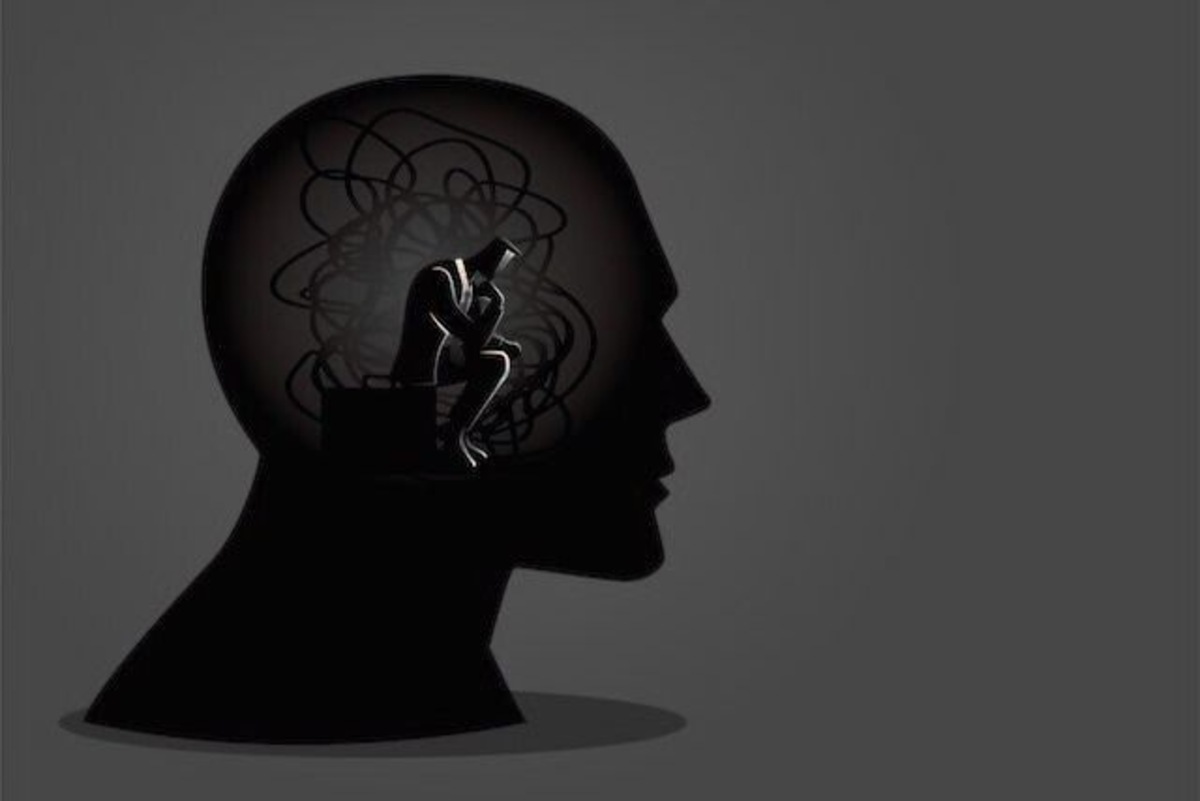
Hey there, have you ever felt like your mind is a whirlwind of thoughts, pulling you in every direction? In our fast-paced world, it’s easy to lose sight of what really matters. That’s where Antarvacna comes in—an ancient practice rooted in self-reflection that helps cut through the noise and find genuine clarity. If you’re searching for a way to quiet the inner chaos and make better decisions, this could be the game-changer you’ve been looking for. Let’s dive into what Antarvacna really is, why it works, and how you can start incorporating it into your life today.
What Is Antarvacna?
At its heart, Antarvacna is all about tuning into your inner voice. Derived from Sanskrit words meaning “inner” (antar) and something akin to “perception” or “voice,” it refers to that deep, intuitive self-reflection we often ignore. It’s not just casual daydreaming; it’s a deliberate process of exploring your thoughts, emotions, and subconscious impulses to uncover hidden truths.
Think of it as a bridge between your everyday experiences and your deeper consciousness. In ancient traditions, Antarvacna was seen as a tool for self-awareness, helping people navigate life’s complexities with more ease. Unlike quick fixes like scrolling through motivational quotes, this practice encourages you to sit with yourself, observe without judgment, and emerge with a clearer perspective. It’s mindfulness on steroids, but grounded in timeless wisdom.
In modern terms, it’s similar to what we call introspection, but with a spiritual twist. It fosters a connection to your true self, stripping away the layers of stress and distraction that cloud your judgment. If you’ve ever had an “aha” moment after a quiet walk or journaling session, you’ve brushed up against Antarvacna without even knowing it.
The Historical Roots of Antarvacna
Antarvacna isn’t some new-age trend—its origins trace back thousands of years to ancient Indian philosophies. You’ll find echoes of it in the Upanishads, those profound texts from around 800-200 BCE that explore the nature of reality and the self. Here, the idea of turning inward was key to understanding the universe, as the sages believed true knowledge comes from within, not just from external teachings.
It also ties into Vedanta, particularly the Advaita school, which emphasizes non-duality—the idea that your individual self is part of a greater whole. Practitioners used Antarvacna-like methods to distinguish the fleeting ego from the eternal essence, leading to profound insights. Yoga, too, plays a role; texts like the Yoga Sutras of Patanjali describe practices for quieting the mind’s fluctuations, which aligns perfectly with Antarvacna’s focus on inner observation.
Over time, this concept spread and adapted across cultures. In Eastern traditions, it became part of meditation rituals for enlightenment. Mediterranean societies invoked similar ideas during times of crisis, seeking inner wisdom to guide decisions. Even in African and Latin American contexts, variations emerged, emphasizing communal harmony and boundaries—think of it as protecting your inner space to maintain clarity in relationships.
What makes Antarvacna enduring is its flexibility. As societies evolved, it shifted from mystical rituals to practical tools, but the core remained: a quest for self-discovery through introspection. Today, it’s making a comeback in wellness circles, blending ancient roots with contemporary needs like stress management.
The Spiritual and Cultural Significance
Spiritually, Antarvacna is a journey toward inner peace and self-realization. It’s about recognizing that clarity isn’t found in external validation but in aligning with your authentic self. Many traditions view it as a way to connect with the universe, fostering compassion and ethical living. By listening to your inner voice, you cultivate harmony—not just within yourself, but with others and the world around you.
Culturally, it varies wildly, which adds to its richness. In South Asia, it’s often linked to protective rituals, warding off negative energies to keep family life clear and focused. Latin American practices might incorporate it into ancestral honors, strengthening bonds between the living and the departed for emotional clarity. In African communities, it promotes respect for personal boundaries, ensuring social justice and balanced interactions.
Art and literature have long celebrated this. Ancient sculptures and paintings depict figures in contemplative poses, symbolizing the inner quest. Modern writers draw on its themes for stories of personal growth, while artists use it to explore introspection in their work. It’s a reminder that, no matter where you are, tuning inward builds a foundation for meaningful connections.
On a deeper level, Antarvacna challenges us to see desire and emotion not as enemies, but as guides. In some interpretations, it even touches on transcending subconscious impulses, like those inner desires that can cloud judgment if ignored. By bringing them to light, you gain the clarity to live more intentionally.
How to Practice Antarvacna in Daily Life
Getting started with Antarvacna doesn’t require a mountaintop retreat—it’s accessible right where you are. The key is consistency and gentleness; don’t force it, let it unfold.
First, carve out quiet time. Begin with 10-15 minutes a day for meditation. Sit comfortably, close your eyes, and focus on your breath. As thoughts arise, observe them like clouds passing by—no judgment, just awareness. This builds the habit of inner listening.
Mindfulness is another pillar. During routine activities, like eating or walking, stay present. Notice your sensations, emotions, and reactions. Ask yourself: “What am I feeling right now, and why?” This turns everyday moments into opportunities for clarity.
Reflective journaling amps it up. At the end of the day, jot down your thoughts, patterns, and insights. Questions like “What triggered my stress today?” or “What brings me joy?” help uncover subconscious layers. Over time, you’ll spot recurring themes, leading to breakthroughs.
For a more structured approach, try yoga poses that encourage introspection, like child’s pose or seated forward bends. Pair them with mantras—simple phrases like “I am clear and centered”—to reinforce your inner voice.
If you’re in a group setting, workshops or retreats can enhance it. Sharing experiences with others often sparks new perspectives, making the practice feel less solitary.
Remember, it’s okay if your mind wanders at first. The goal isn’t perfection; it’s progress toward that inner calm.
Advanced Techniques for Deeper Insight
Once you’re comfortable, layer in advanced methods. Chanting or mantra recitation elevates your vibrations, creating unity with your deeper self. Create a sacred space—an altar with meaningful symbols—to anchor your practice.
Artistic expression works wonders too. Paint, write, or play music inspired by your inner reflections. This externalizes what’s inside, often revealing clarity you didn’t know was there.
Incorporate nature walks, observing how the external world mirrors your internal state. This holistic approach aligns mind, body, and spirit for profound balance.
The Benefits of Antarvacna for Building Real Clarity
The real magic of Antarvacna lies in its transformative power. Practitioners often report sharper mental clarity, as it clears mental clutter like a reset button. Stress and anxiety? They diminish when you understand their roots, leading to emotional balance.
On a personal growth level, it boosts self-awareness, helping you heal from past traumas and build resilience. Decision-making becomes intuitive; instead of reacting impulsively, you respond from a place of alignment.
I’ve seen this in my own life—after years of guiding others through similar practices, I know how it sharpens focus in professional settings. Clients tell me it enhances creativity, as a clear mind makes room for innovative ideas.
Spiritually, it deepens your sense of purpose, fostering connections with others and nature. It’s not just about individual clarity; it’s about living harmoniously, which ripples out to better relationships and community.
Studies on mindfulness (a close cousin) back this up—regular practice reduces cortisol levels and improves cognitive function. Antarvacna takes it further by rooting it in ancient wisdom for lasting change.
Real-World Examples and Insights
Let’s make this tangible. Take Sarah, a busy executive I know. Overwhelmed by deadlines, she started Antarvacna through daily journaling. Within weeks, she identified perfectionism as her clarity blocker, leading to better work-life balance and promotions.
In community settings, like yoga studios, groups use it for collective reflection. One retreat I attended focused on shared meditations, where participants gained insights into interpersonal dynamics, strengthening bonds.
Historically, think of sages in ancient India using it during solitude to compose profound texts. Modern artists, like those inspired by Eastern philosophies, channel it into works that explore human depth.
Even in everyday scenarios, like handling family conflicts, pausing for inner reflection turns arguments into understanding. It’s practical wisdom that works across life’s spectrum.
Practical Tips for Getting Started
- Start small: 5 minutes of breath-focused meditation daily builds momentum.
- Track progress: Use a journal to note shifts in clarity over time.
- Stay consistent: Link it to a habit, like morning coffee, for easier integration.
- Seek guidance: Books on Vedanta or apps with guided reflections can help.
- Be patient: True clarity unfolds gradually, so celebrate small wins.
For more informational blogs visit here.
Wrapping It Up: Your Path to Lasting Clarity
Antarvacna isn’t just an ancient relic—it’s a timeless tool for navigating modern chaos with grace. By embracing inner reflection, you unlock mental sharpness, emotional balance, and a deeper sense of purpose. Start today with a simple meditation or journal entry, and watch how clarity transforms your decisions and relationships.
Remember, the journey inward is ongoing, but the rewards are profound. Take that first step, listen to your inner voice, and let it guide you toward the life you deserve. You’ve got this.
FAQs
What makes Antarvacna different from regular meditation?
While meditation is a key component, Antarvacna emphasizes active self-observation and introspection, drawing from ancient philosophies for deeper self-realization and clarity beyond relaxation.
Can beginners practice Antarvacna effectively?
Absolutely! Start with short sessions of breath awareness or journaling. The beauty is its accessibility—no prior experience needed, just an open mind.
How long does it take to see benefits like improved clarity?
Many notice subtle shifts in a week, but consistent practice over a month often brings noticeable emotional balance and sharper focus.
Is Antarvacna tied to any specific religion?
No, it’s rooted in ancient Indian traditions but adaptable across cultures and beliefs, focusing on universal themes of self-awareness and inner peace.
What if my mind is too busy for introspection?
That’s common—start by simply noting the busyness without judgment. Over time, this observation quiets the mind, making space for clarity.